








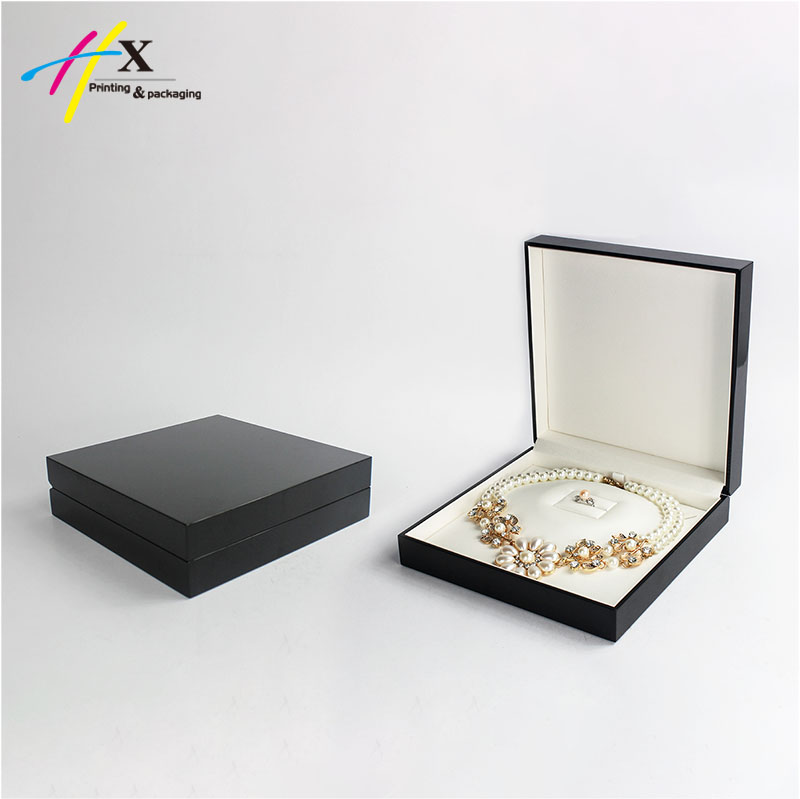
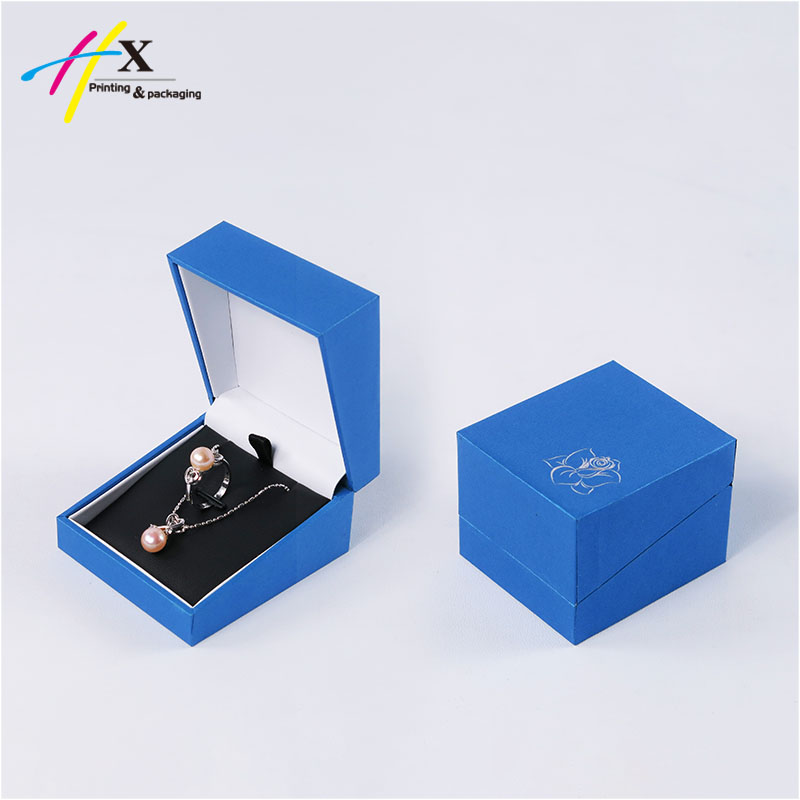



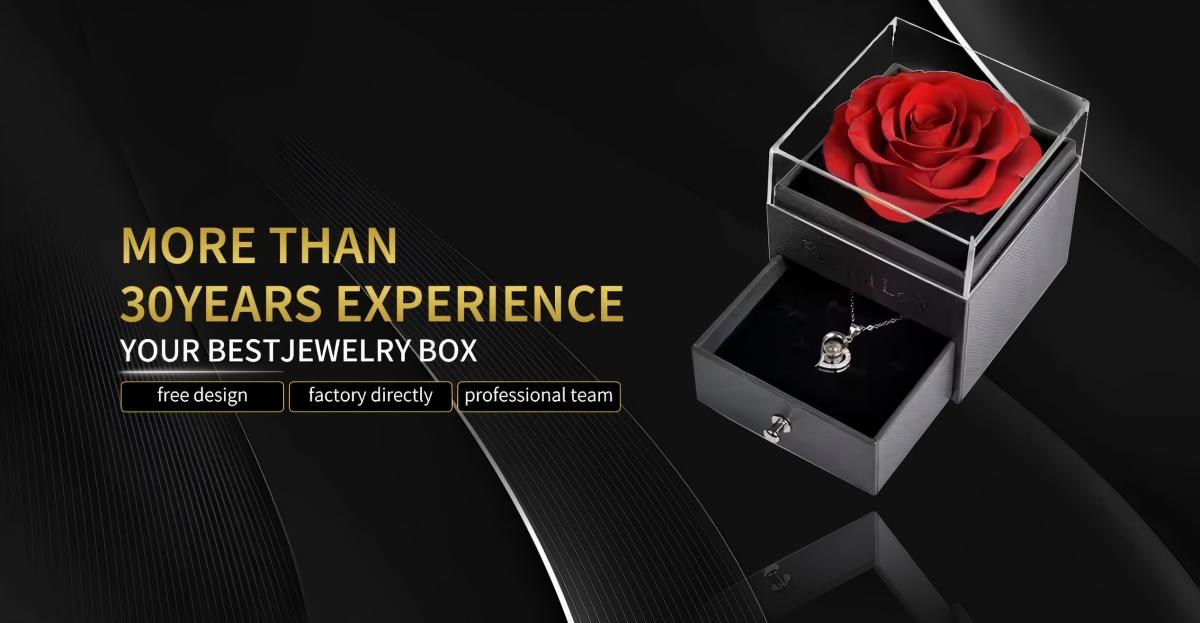
Fine jewelry is a testament to human ingenuity—each piece, whether a delicate engagement ring, a intricate necklace, or a bold statement bracelet, embodies hours of meticulous craftsmanship, emotional sentiment, and timeless design. Yet, before a wearer ever adorns a jewelry piece, it is the jewelry packaging box that first greets the eye, setting the tone for the luxury experience that lies within. In the world of high-end jewelry, packaging is far more than a protective vessel; it is a silent ambassador of brand identity, a canvas for artistic expression, and a bridge between the craftsmanship of the jewelry and the emotions of the consumer. From traditional leather-bound cases to technologically enhanced showcases and sustainable designs, jewelry packaging boxes have evolved into an integral part of the luxury narrative, reflecting both industry trends and the evolving demands of discerning audiences worldwide.
At the heart of exceptional jewelry packaging lies a harmonious blend of form and function—where aesthetics meet purpose to create a memorable experience. A well-designed luxury jewelry box must first and foremost protect its precious contents: shielding delicate gemstones from scratches, preventing metal from tarnishing, and ensuring the piece remains secure during transit and storage. Yet, beyond functionality, it must also evoke a sense of luxury and exclusivity that aligns with the jewelry itself. This balance is achieved through careful consideration of materials, craftsmanship, and design details—each element working in tandem to enhance the perceived value of the jewelry and reinforce the brand’s reputation for excellence.
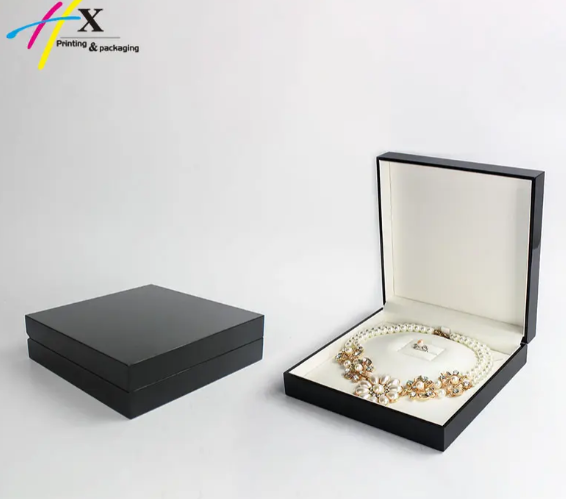
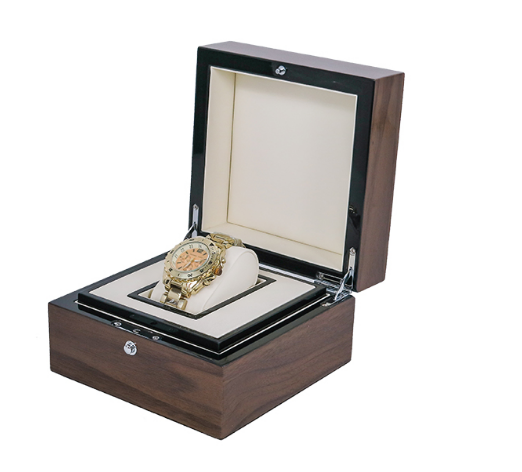
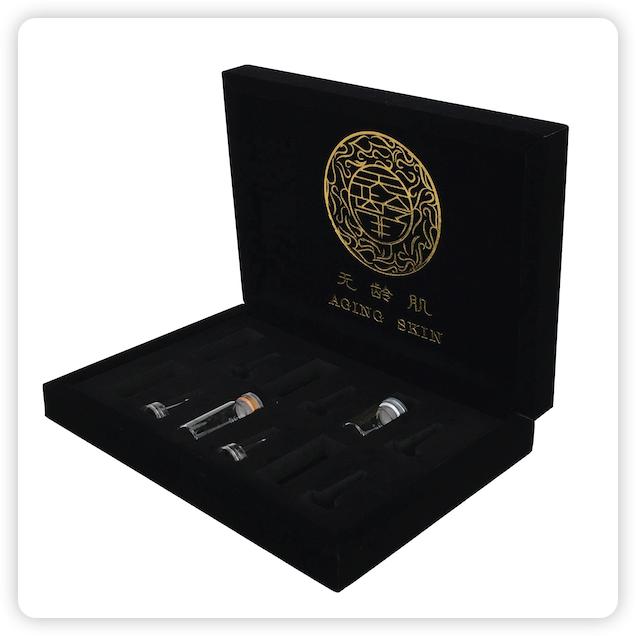
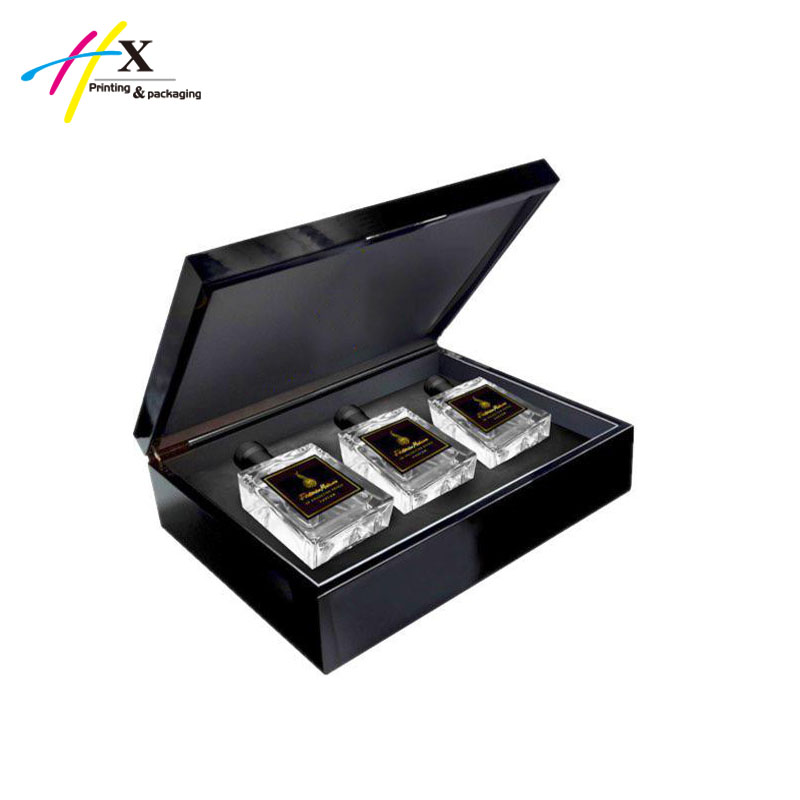
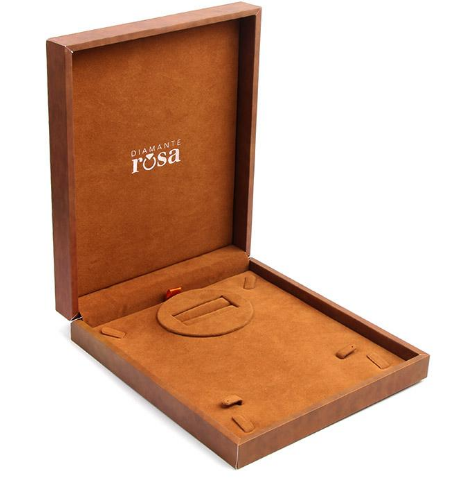
Materials selection is a cornerstone of jewelry box packaging design, with premium substrates chosen not only for their durability but also for their tactile and visual appeal. Traditional luxury packaging often features hand-selected leather, embossed velvet, and rich satin linings—materials that evoke a sense of opulence and heritage. For example, a high-end engagement ring box might be crafted from full-grain calfskin, lined with soft suede to cradle the ring, and finished with a gold foil monogram of the brand’s logo. These materials not only provide superior protection but also create a sensory experience: the smoothness of the leather, the plushness of the velvet, and the subtle shine of the foil all combine to make the unboxing moment feel special and indulgent.
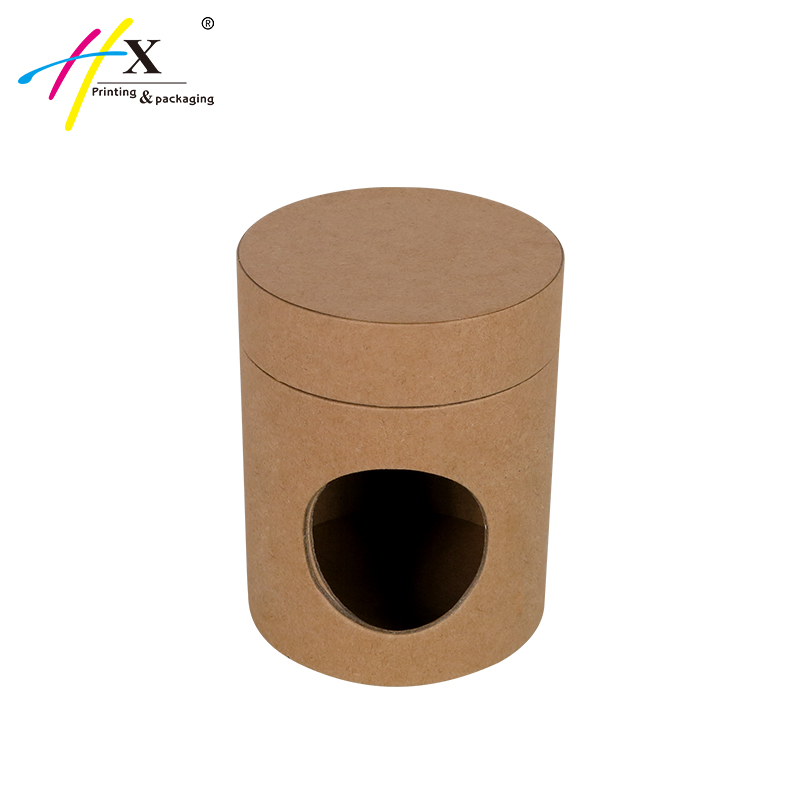
In recent years, the industry has seen a shift toward innovative and sustainable materials, as luxury brands and consumers alike prioritize environmental responsibility without compromising on elegance. Eco-friendly paper jewelry packaging boxes now feature 100% recycled paper, plant-based plastics, and biodegradable fabrics, paired with water-based inks and adhesives that are non-toxic and environmentally safe. Some designs even incorporate seed paper inserts—when planted, these inserts grow into flowers or herbs, adding a sentimental and sustainable touch that resonates with eco-conscious consumers. This shift toward sustainability reflects a broader trend in the luxury industry, where “conscious luxury” has become a key differentiator, and packaging serves as a tangible expression of a brand’s commitment to ethical practices.
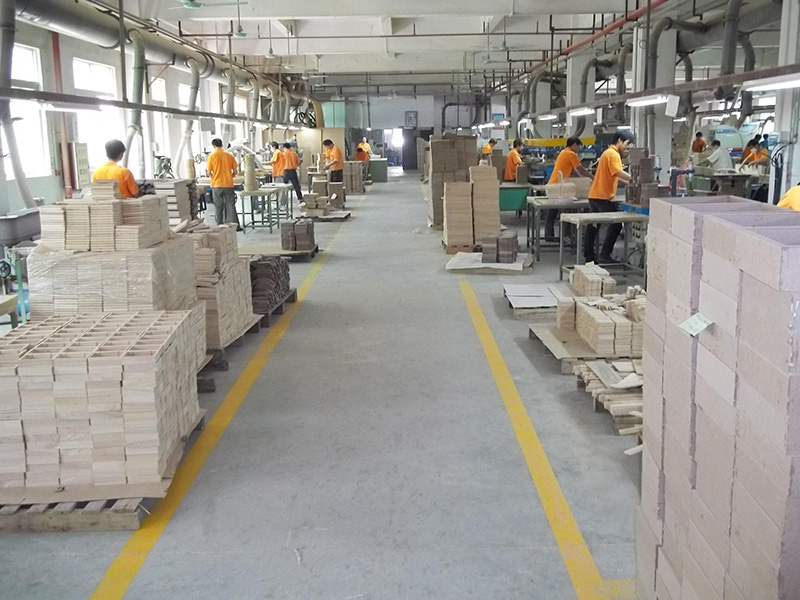
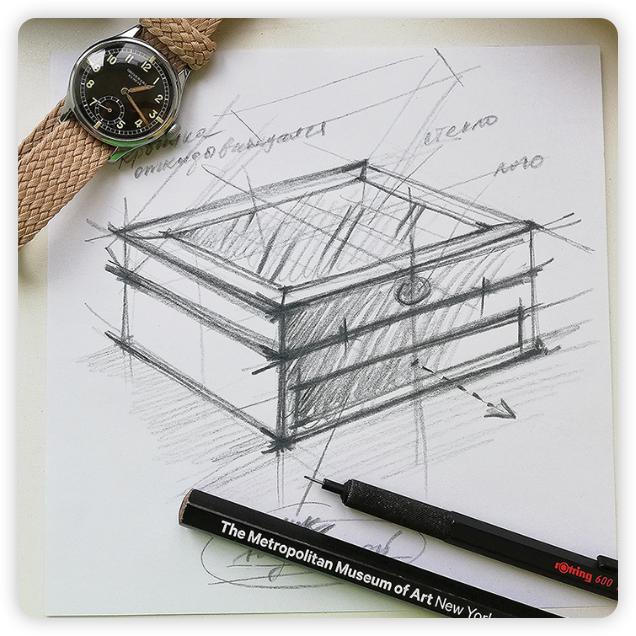
Craftsmanship is another vital element that elevates jewelry packaging from a mere container to a work of art. Skilled artisans employ a range of traditional and modern techniques to create boxes that are as meticulously crafted as the jewelry they house. These techniques include hand-embossing, gold foil stamping, die-cutting, and hand-painted edges—each executed with precision to create texture, depth, and visual interest. For instance, a heritage-inspired jewelry box might feature a hand-embossed floral motif on the lid, created using a traditional copper plate stamping process that requires years of training to master. The result is a design that feels unique and artisanal, reflecting the same attention to detail that goes into creating fine jewelry.
In addition to traditional craftsmanship, modern jewelry packaging increasingly integrates cutting-edge technology to enhance the consumer experience. Interactive elements such as embedded NFC (Near Field Communication) chips allow consumers to tap their smartphones against the box to access exclusive content—including the jewelry’s design story, care instructions, or a virtual try-on experience. Some high-end boxes also feature discreet LED light systems that activate when the box is opened, casting a soft glow on the jewelry and highlighting its intricate details. These technological enhancements not only make the unboxing experience more engaging but also provide brands with valuable data on consumer behavior, helping them better understand their audience and tailor their offerings.
Beyond functionality and aesthetics, jewelry packaging boxes play a crucial role in shaping brand identity and telling a brand’s story. For heritage brands with decades or even centuries of history, packaging often reflects traditional design elements that pay homage to their legacy. A classic example is the iconic blue box of Tiffany & Co.—a simple yet elegant white ribbon-adorned box that has become synonymous with luxury, romance, and timeless style. This packaging design has remained largely unchanged for over a century, serving as a powerful symbol of the brand’s commitment to tradition and excellence. For newer, contemporary brands, packaging offers an opportunity to showcase their unique aesthetic and values—whether through minimalist designs, bold color palettes, or sustainable materials that reflect their modern sensibilities.
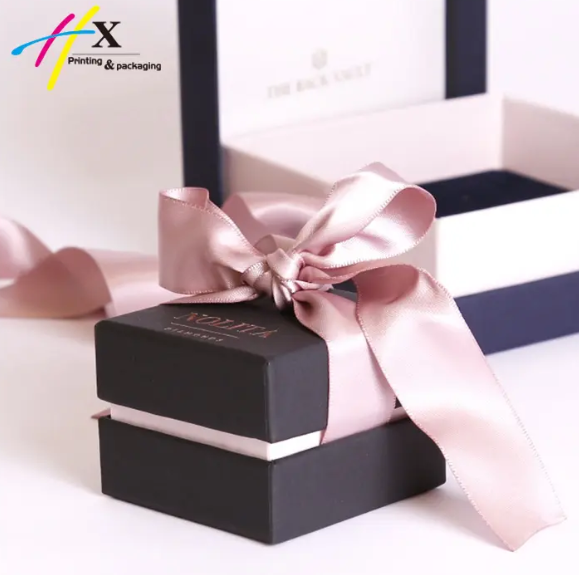
The unboxing experience, in particular, has become a key focus for luxury jewelry brands, as consumers increasingly seek moments of indulgence and connection in a digital age. A well-designed jewelry box transforms the act of opening a package into a ritual—one that builds anticipation and creates an emotional bond between the consumer and the brand. This is especially important for milestone purchases, such as engagement rings or anniversary gifts, where the packaging becomes a keepsake that preserves the memory of the occasion. Many brands now incorporate small, thoughtful details into their packaging—such as personalized thank-you notes, tissue paper in the brand’s signature color, or ribbon ties that add a touch of elegance—to enhance this emotional connection.
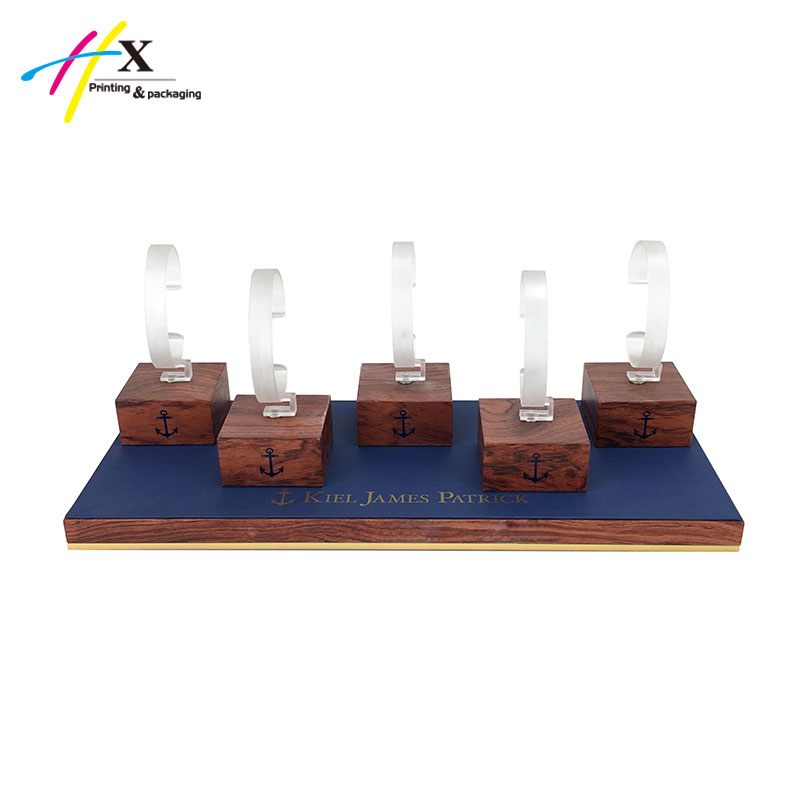
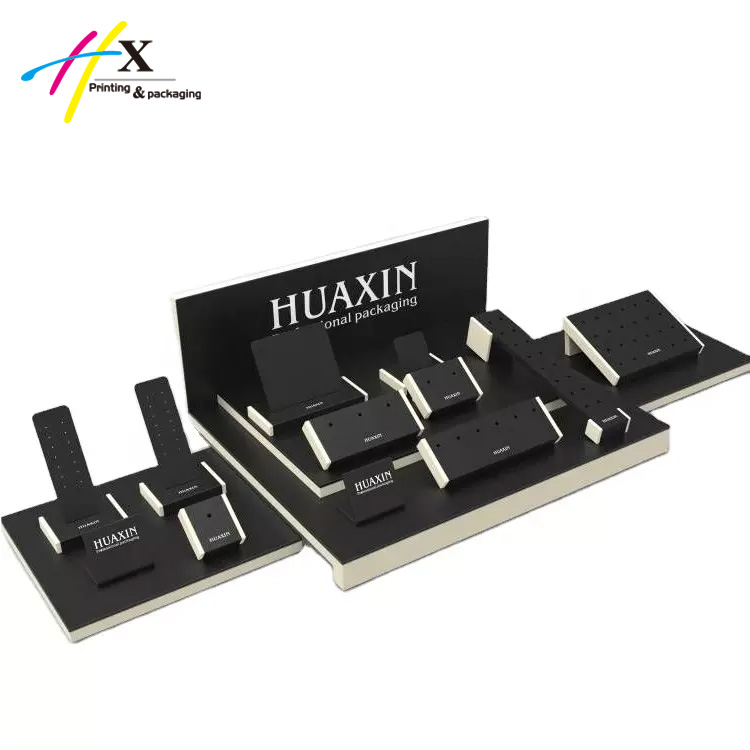
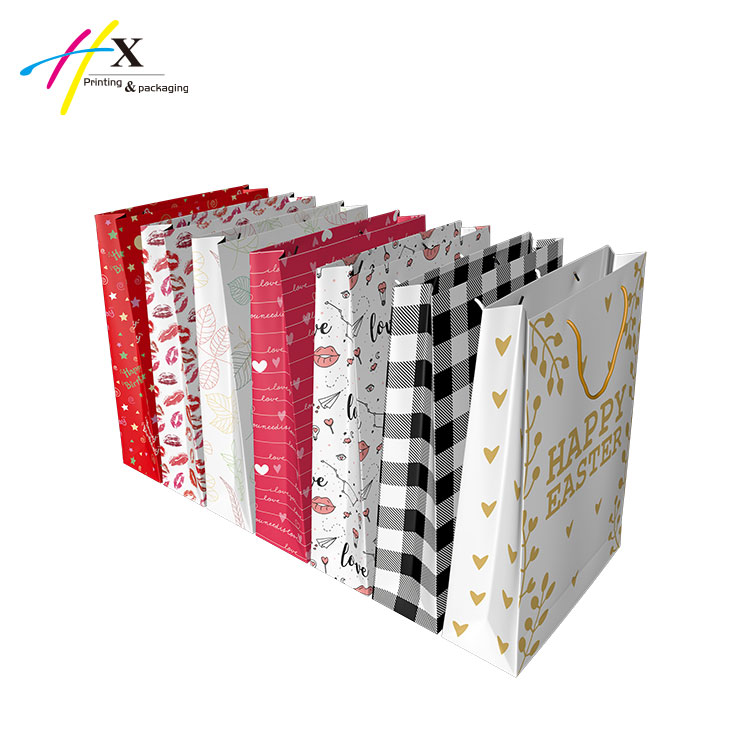
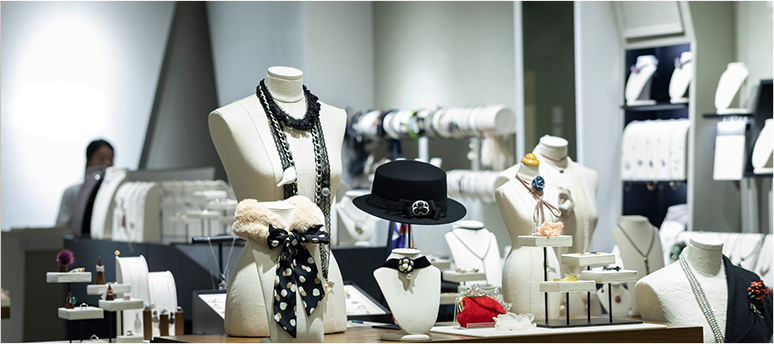
The role of jewelry packaging extends beyond the consumer experience, influencing retail display and brand visibility as well. In high-end department stores and boutique jewelry shops, packaging boxes are often displayed alongside the jewelry, serving as a visual extension of the brand. A cohesive collection of packaging designs can create a striking retail display, drawing the eye of shoppers and reinforcing the brand’s identity. Additionally, in an era of social media, visually appealing packaging encourages consumers to share their unboxing experiences online, turning customers into brand advocates and expanding the brand’s reach to a global audience.
As the luxury jewelry industry continues to evolve, so too does the role of packaging. Emerging trends include the rise of customizable jewelry box packaging, where consumers can personalize their boxes with monograms, engravings, or custom colors to create a one-of-a-kind piece. Another trend is the integration of augmented reality (AR) technology, which allows consumers to visualize the jewelry in different settings or even “try on” the piece virtually using their smartphones—all triggered by the packaging box. These innovations not only enhance the consumer experience but also position brands as forward-thinking and innovative, appealing to younger generations of consumers who value technology and personalization.
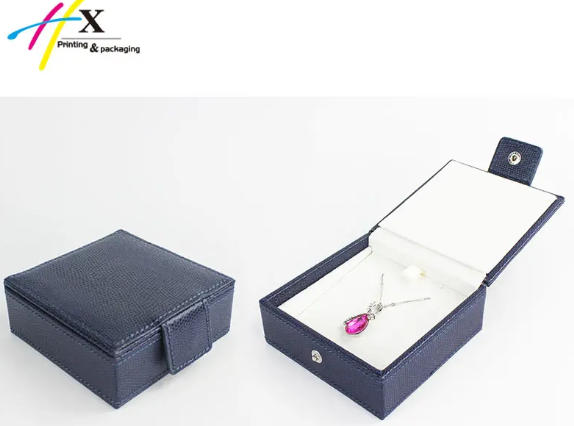
Sustainability remains a driving force in the evolution of jewelry packaging, with brands increasingly adopting circular design principles to reduce waste. This includes creating reusable packaging—such as refillable jewelry cases that can be used to store new pieces over time—or designing boxes that can be repurposed for other uses, such as small storage containers or decorative items. Some brands even offer recycling programs for their packaging, encouraging consumers to return old boxes for proper disposal or recycling. By prioritizing sustainability, brands not only reduce their environmental impact but also align with the values of today’s conscious consumers, who are more likely to support brands that demonstrate a commitment to ethical practices.
The craftsmanship and design of jewelry packaging also serve as a reflection of the jewelry industry’s broader commitment to excellence. Just as a master jeweler spends hours refining a single piece, a skilled packaging designer and craftsman dedicate themselves to creating boxes that are worthy of the jewelry they contain. This shared commitment to quality ensures that every aspect of the luxury experience—from the jewelry itself to its packaging—is of the highest standard, reinforcing the industry’s reputation for elegance and craftsmanship.
For emerging jewelry designers, packaging offers an accessible way to establish their brand identity and compete with more established brands. By investing in well-designed, high-quality packaging, independent designers can elevate their pieces and create a memorable impression on consumers, even with limited resources. Many packaging manufacturers now offer flexible options for small businesses, including low minimum order quantities and customizable designs, making it easier for emerging brands to access luxury packaging solutions that reflect their unique vision.
In conclusion, jewelry packaging boxes are far more than mere containers—they are an integral part of the luxury jewelry experience, blending functionality, aesthetics, and brand storytelling to create moments of indulgence and connection. From traditional leather-bound cases to sustainable designs and technologically enhanced showcases, packaging continues to evolve to meet the changing needs of brands and consumers alike. As the industry moves forward, the role of jewelry packaging will only grow in importance, serving as a powerful tool for brands to differentiate themselves, connect with consumers, and preserve their legacy for generations to come. After all, in the world of fine jewelry, the elegance within deserves to be matched by the elegance without—and the packaging box is the first step in that journey of luxury.
Post time: Feb-09-2026