







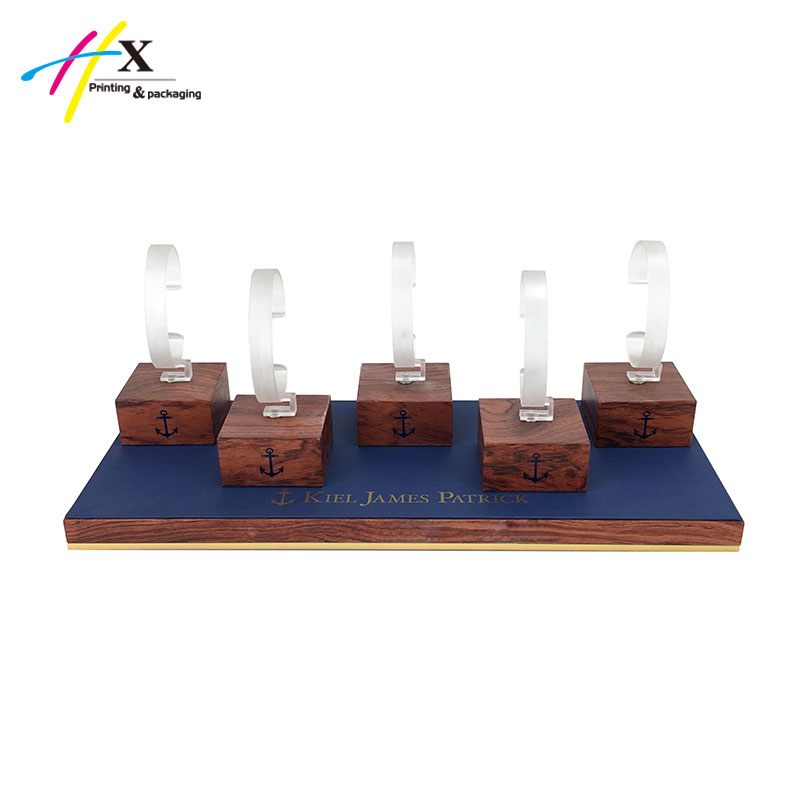

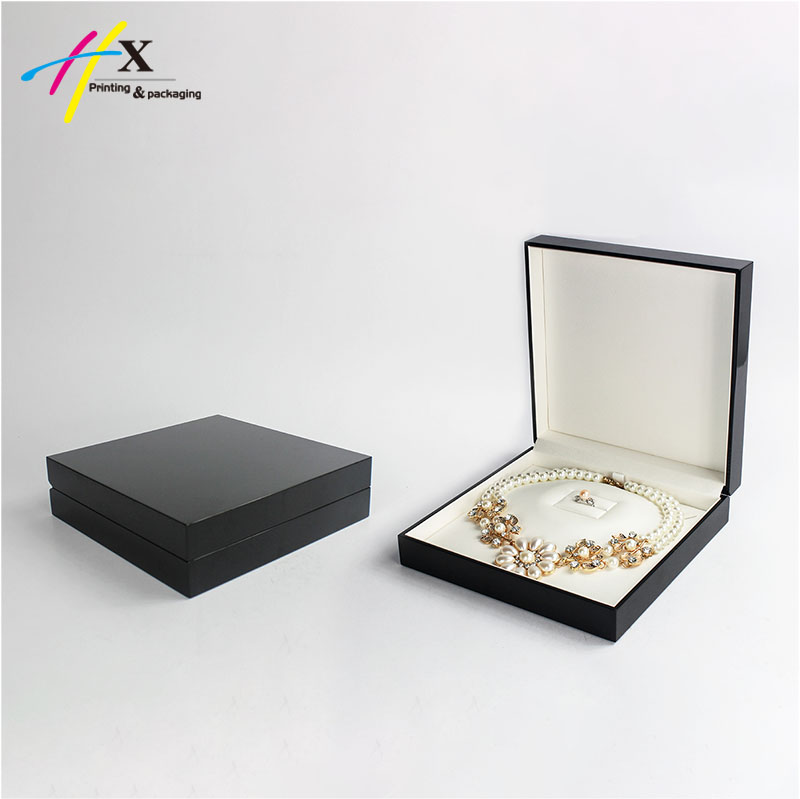
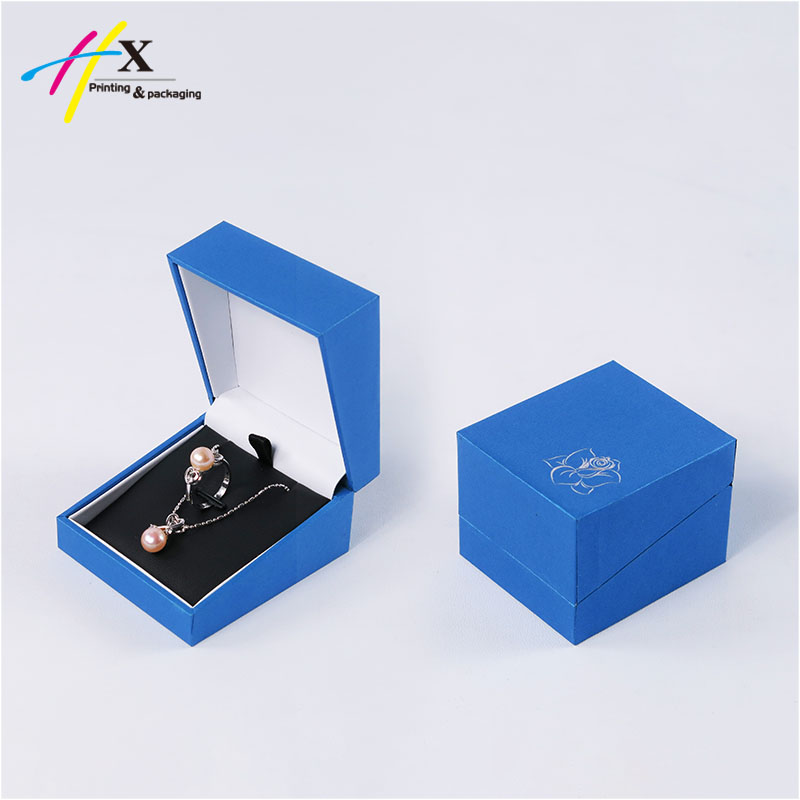

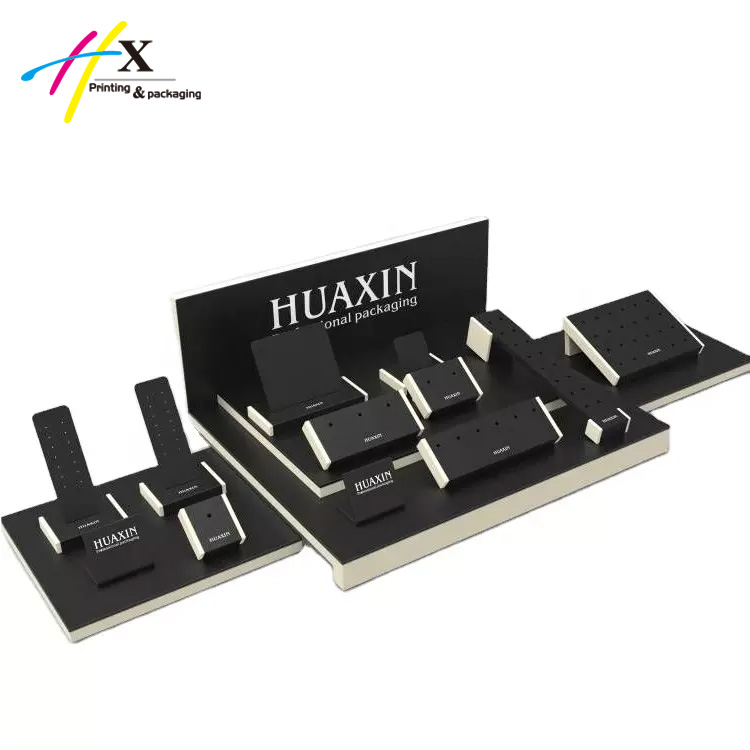

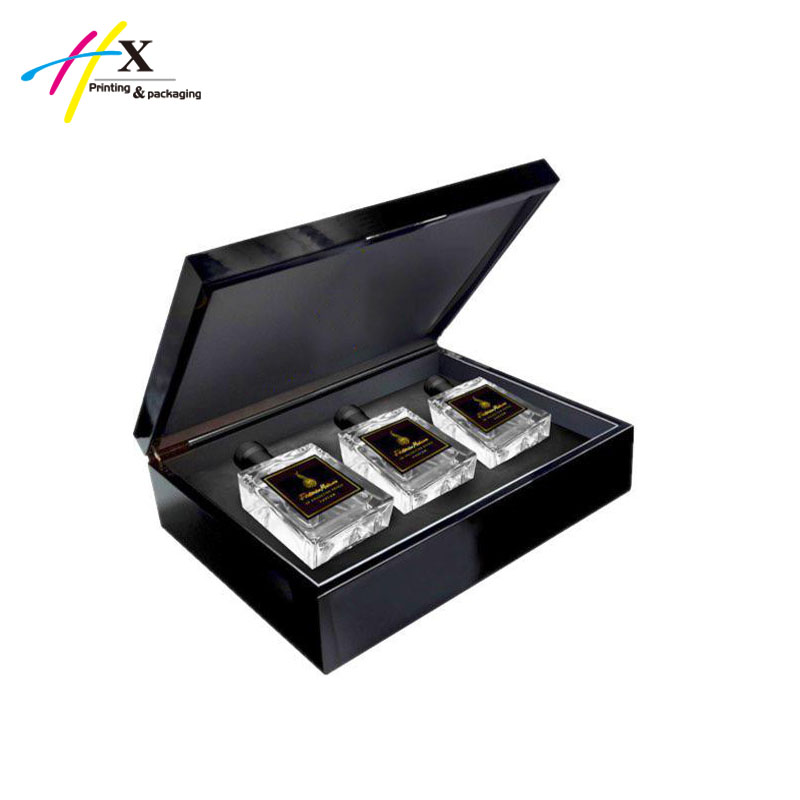


When you think of a luxury watch, what comes to mind first? For most people, it’s the intricate movement, the polished case, the scratch-resistant sapphire crystal, or the iconic brand logo emblazoned on the dial. Rarely does anyone pause to consider the watch box that houses this prized possession. Yet, the watch packaging box is far more than a mere container for transporting and storing a timepiece. It is a silent storyteller, a brand ambassador, a protector of value, and an integral part of the overall luxury experience. In this blog, we will dive deep into the world of watch packaging boxes, exploring their history, design philosophy, functional importance, and the role they play in shaping a brand’s identity and a consumer’s connection to their watch.

To truly appreciate the modern watch packaging box, we must first look back at its origins. In the early days of watchmaking, which dates back to the 16th century when pocket watches first emerged, packaging was a purely utilitarian affair. Watchmakers and merchants used simple, sturdy containers made from wood or leather to protect the delicate timepieces during transit. These boxes were unadorned, focusing solely on preventing damage from bumps, moisture, and dust. There was no thought given to branding or aesthetic appeal; their purpose was to get the watch from point A to point B intact.
As the 19th century rolled around and watchmaking became more industrialized, the role of packaging began to shift. With the rise of prominent watch brands like Patek Philippe, Rolex, and Omega, manufacturers realized that packaging could be more than just a protective shell. It could be a way to differentiate their products from competitors and signal the quality of the timepiece inside. During this era, we saw the emergence of wooden boxes with polished finishes, embossed brand logos, and soft fabric linings. These boxes were still functional but started to carry a subtle sense of elegance, hinting at the luxury of the watch they contained.
The 20th century marked a turning point for watch packaging, especially after World War II when the luxury goods market boomed. As consumer demand for high-end watches grew, brands invested heavily in packaging design, transforming it from a secondary consideration into a core element of their product offering. Rolex, for instance, introduced its iconic “Ro-lex box” in the 1950s – a sturdy, leather-bound case with a plush interior that not only protected the watch but also exuded sophistication and prestige. This era also saw the introduction of custom-made packaging, with brands incorporating unique materials, such as mahogany, velvet, and even precious metals, to create a unboxing experience that was as memorable as the watch itself.

Today, watch packaging box has evolved into a blend of art and engineering. It is a carefully curated experience that begins the moment the customer lays eyes on the box, and it continues through the unboxing process, setting the tone for their relationship with the timepiece. From minimalist, modern designs to opulent, traditional cases, watch packaging now comes in a vast array of styles, each tailored to reflect the brand’s identity and the watch’s unique character.
The Functional Role of Watch Box Packaging: Protection Above All
While the aesthetic and branding aspects of watch packaging are undeniable, its primary function remains the protection of the timepiece. A luxury watch is a complex, precision-engineered device with hundreds of tiny, delicate components. Even the smallest amount of damage can compromise its performance and reduce its value, making robust packaging a non-negotiable requirement for watch brands.
Physical Protection
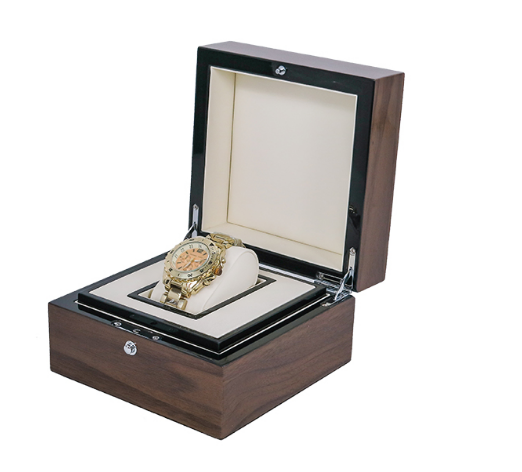
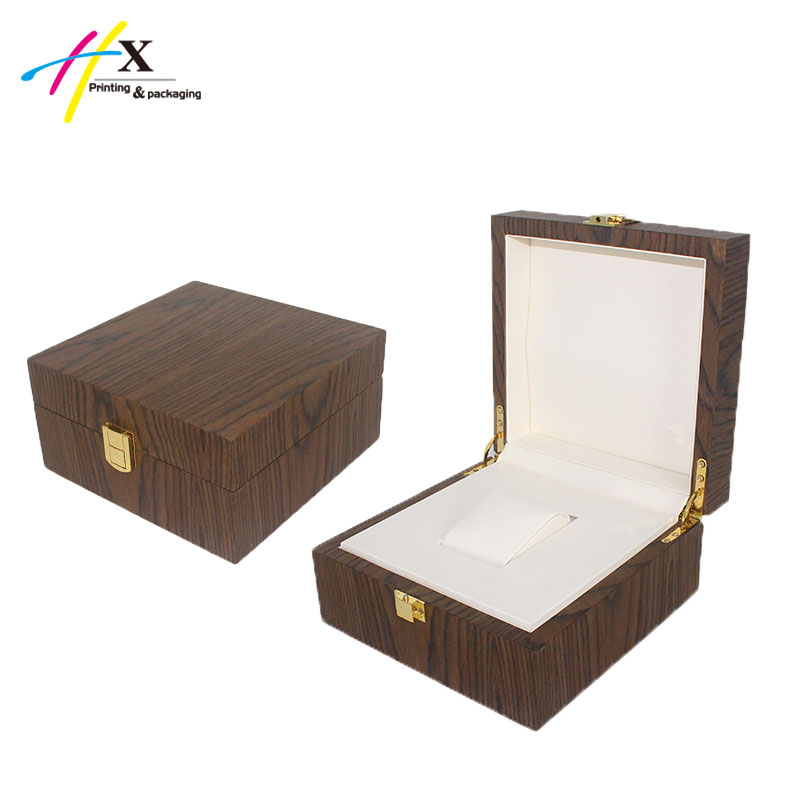
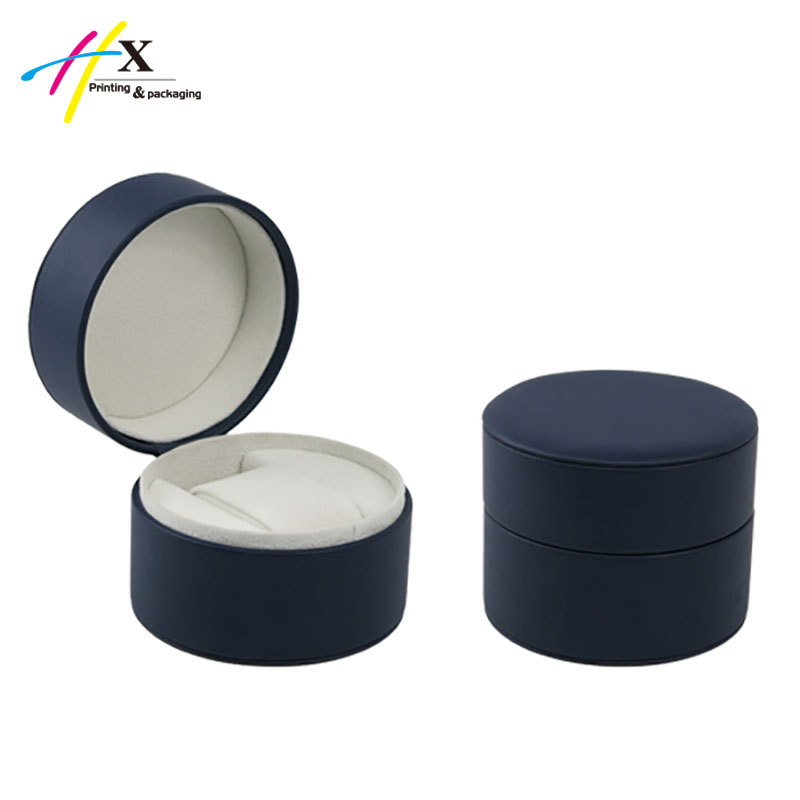
The first line of defense for a watch is the structural integrity of its packaging. Most high-end watch boxes packaging are constructed from durable materials, such as hardwood, high-density plastic, or reinforced cardboard, to withstand bumps, drops, and pressure during shipping and storage. The interior of the box is equally important, with brands using soft, shock-absorbent materials like velvet, microfiber, or foam to cradle the watch, preventing it from shifting and scratching against the box’s interior or against any accompanying accessories, such as extra straps or warranty cards.

For watches with complex movements, such as tourbillons or perpetual calendars, packaging may include additional layers of protection, such as custom-molded inserts that fit the watch’s exact dimensions, ensuring that even the most delicate components remain secure. Some brands also incorporate locking mechanisms or tamper-evident features to protect the watch from theft or unauthorized access during transit, giving both retailers and customers peace of mind.
Environmental Protection
Watches are also vulnerable to environmental factors, such as moisture, dust, and temperature fluctuations, which can damage their internal components and affect their accuracy. Watch packaging is designed to shield the timepiece from these threats, with many boxes featuring airtight seals, humidity control systems, and dust-resistant interiors.
For example, some luxury watch brands use boxes with anti-moisture coatings or desiccant packets to absorb excess humidity, preventing rust and corrosion of the watch’s metal parts and movement. Others incorporate UV-resistant materials in the box’s exterior or interior to protect the watch’s dial and strap from fading when exposed to sunlight over time. Temperature control is another critical consideration, especially for watches with leather straps, which can crack or warp in extreme heat or cold. Many high-end boxes are lined with insulating materials to maintain a stable temperature, preserving the watch’s condition for years to come.
Long-Term Storage
Beyond protecting the watch during shipping and initial ownership, watch packaging box also plays a key role in long-term storage. Many watch collectors and enthusiasts keep their timepieces in their original boxes when they are not being worn, as these boxes are specifically designed to maintain the watch’s condition over decades. For vintage watches, the original packaging can even add significant value to the timepiece, making it a prized collector’s item. As such, brands design their boxes to be durable enough to last for generations, with materials that resist aging and wear, ensuring that the box remains as well-preserved as the watch it contains.
The Aesthetic and Branding Power of Watch Packaging: Crafting the Unboxing Experience
In the world of luxury goods, the unboxing experience is a critical touch point that shapes a customer’s perception of a brand and their emotional connection to the product. For watch brands, the packaging box is the gateway to this experience, and it is designed to evoke a sense of anticipation, excitement, and exclusivity from the moment the customer sees it.
Reflecting Brand Identity
Every watch brand has a unique identity, and its packaging is a direct reflection of that. A brand like Apple’s Hermès collaboration, for example, might opt for a minimalist, sleek box with clean lines and understated branding, reflecting its modern, minimalist aesthetic. On the other hand, a traditional Swiss watch brand like Patek Philippe would choose a more opulent box, often made from rich mahogany or leather, with intricate detailing and the brand’s iconic crest, signaling its heritage, craftsmanship, and timeless elegance.
Some brands use packaging to tell a story about their history or the inspiration behind a particular watch collection. For instance, Omega’s Speed master Moon watch comes in a box that pays homage to its legacy as the first watch worn on the moon, with design elements that evoke the Apollo missions, such as metallic finishes and lunar-inspired graphics. This not only enhances the unboxing experience but also deepens the customer’s connection to the watch’s heritage and significance.
The Psychology of Unboxing
The unboxing process is a carefully choreographed ritual that triggers emotional responses in customers, from excitement to satisfaction. Watch brands understand this psychology and design their packaging to create a sense of drama and anticipation. Many high-end watch boxes feature multiple layers – an outer sleeve or case, an inner box, and a tray that holds the watch and its accessories – each layer building suspense as the customer gets closer to the timepiece.
The tactile experience is also a key part of the unboxing ritual. The feel of a smooth leather box, the sound of a magnetic clasp clicking open, the softness of the microfiber lining against the watch’s case – all of these sensory details contribute to a sense of luxury and exclusivity, making the customer feel like they are unwrapping something truly special. In an age where social media has turned unboxing into a viral phenomenon, brands also design their packaging to be visually striking, encouraging customers to share their experiences online and generate organic buzz for the brand.
Customization and Personalization
In recent years, there has been a growing trend toward personalized watch packaging, with brands offering custom-made boxes that cater to individual customers or limited-edition watch collections. For example, some brands allow customers to engrave their initials or a personal message on the box, turning it into a one-of-a-kind keepsake. Limited-edition watches often come in bespoke packaging that is designed to complement the watch’s unique features, such as a box made from the same material as the watch’s case or one that incorporates elements of the watch’s design, like its dial color or strap pattern.
Personalized packaging not only adds value to the watch but also strengthens the customer’s emotional bond with the brand. It makes the customer feel seen and valued, transforming a transactional purchase into a meaningful, personalized experience that they will remember for years to come.
Sustainable Watch Packaging: Balancing Luxury and Environmental Responsibility
As the global focus on sustainability grows, watch brands are increasingly faced with the challenge of balancing the luxury and prestige of their packaging with environmental responsibility. Traditional luxury watch packaging often relies on materials like exotic woods, leather, and single-use plastics, which can have a significant environmental footprint. In response, many brands are rethinking their packaging strategies, embracing eco-friendly materials and practices without compromising on quality or the unboxing experience.
Eco-Friendly Materials
One of the most significant shifts in sustainable watch packaging is the adoption of recycled and renewable materials. Many brands now use FSC-certified wood, which is sourced from responsibly managed forests, or recycled cardboard and paper for their outer packaging. Some have even started using innovative materials, such as mushroom-based foam (mycelium) or bamboo, as alternatives to traditional plastic and foam inserts, reducing their reliance on non-biodegradable materials.
Leather, a staple of luxury watch packaging, is also being reimagined with sustainability in mind. Brands are turning to vegetable-tanned leather, which uses natural dyes and processes instead of harsh chemicals, or recycled leather made from post-consumer leather waste. Some brands have even eliminated leather altogether, opting for vegan alternatives like cork or recycled polyester that mimic the look and feel of leather without the environmental impact.
Minimalist Design and Waste Reduction
Another key trend in sustainable watch packaging is minimalist design, which focuses on reducing excess material and waste. Many brands are ditching multi-layered, over-the-top packaging in favor of streamlined, functional boxes that use fewer materials but still provide adequate protection for the watch. For example, some brands have replaced bulky outer boxes with slim, recyclable sleeves, or they have integrated accessory storage into the main box to eliminate the need for separate containers.
Some brands are also adopting circular packaging models, where packaging is designed to be reused, repaired, or recycled. For instance, a watch box might double as a storage case for the watch, giving it a second life beyond the initial unboxing, or it might be made from materials that can be easily recycled into new packaging or other products. This not only reduces waste but also aligns the brand with the values of environmentally conscious consumers, who are increasingly prioritizing sustainability when making luxury purchases.
Transparency and Accountability
In addition to using eco-friendly materials and designs, many watch brands are also becoming more transparent about their packaging’s environmental impact. They are publishing sustainability reports that detail their packaging materials, carbon footprint, and waste reduction goals, allowing customers to make informed decisions about their purchases. Some brands have also partnered with environmental organizations to offset the carbon emissions associated with their packaging, further demonstrating their commitment to sustainability.
The Future of Watch Packaging: Innovation and Personalization
As technology advances and consumer expectations evolve, the future of watch packaging is set to be defined by innovation and personalization. Brands are already experimenting with new materials, smart technologies, and interactive designs to create packaging that is not only functional and aesthetically pleasing but also engaging and memorable.
Smart Packaging
One of the most exciting developments in watch packaging is the integration of smart technology. Some brands are now incorporating NFC (Near Field Communication) chips or QR codes into their boxes, allowing customers to access digital content, such as the watch’s user manual, warranty information, or a virtual tour of the brand’s manufacturing facilities, with a simple tap or scan of their smartphone. This not only enhances the customer experience but also reduces the need for printed materials, further supporting sustainability efforts.
Other brands are exploring the use of sensor technology in packaging to monitor the watch’s condition during shipping and storage. For example, a sensor could detect changes in temperature or humidity and alert the customer or retailer if the watch is at risk of damage, ensuring that the timepiece remains in pristine condition from the factory to the customer’s wrist.
Interactive and Immersive Experiences
The future of watch packaging will also see a greater focus on interactive and immersive unboxing experiences. Brands are already using augmented reality (AR) to create virtual unboxing experiences, where customers can use their smartphones to overlay digital content onto the physical box, such as animations of the watch’s movement or a virtual demonstration of its features. This not only makes the unboxing process more engaging but also allows brands to tell more detailed stories about their products, deepening the customer’s connection to the watch and the brand.
Some brands are also experimenting with customizable packaging that allows customers to design their own boxes, choosing everything from the material and color to the branding and interior layout. This level of personalization will give customers even more control over their unboxing experience, turning the packaging into a unique expression of their style and preferences.
Circular and Modular Design
As sustainability continues to be a top priority, the future of watch packaging will also see a shift toward circular and modular design. Modular boxes, which can be disassembled and reassembled into different configurations, will allow customers to reuse the packaging for multiple purposes, such as storing jewelry or other small items, reducing waste and extending the box’s lifespan. Circular packaging models, where brands take back and recycle or repurpose old packaging, will also become more common, creating a closed-loop system that minimizes the environmental impact of packaging throughout its lifecycle.
Conclusion
The branded watch packaging box is far more than a container for a timepiece. It is a symbol of a brand’s heritage, craftsmanship, and values, a protector of a precision-engineered device, and a gateway to a memorable unboxing experience that shapes the customer’s relationship with their watch. From its humble, utilitarian origins to its current status as a blend of art, engineering, and sustainability, watch packaging has evolved dramatically over the centuries, and it will continue to innovate in response to changing consumer expectations and technological advancements.
Whether it is a sleek, minimalist box for a modern smartwatch or an opulent, handcrafted case for a traditional Swiss timepiece, the watch packaging box plays an integral role in the luxury watch experience. It is the unsung hero that sets the stage for the star of the show – the watch itself – and it is a testament to the fact that in the world of luxury goods, every detail matters. As we look to the future, watch packaging will continue to push the boundaries of design, sustainability, and personalization, ensuring that the unboxing experience remains as timeless and cherished as the watches it houses.
Post time: Dec-16-2025