inquiry
Leave Your Message
0%

Jewelry display racks do a lot more than just hold stuff. Honestly, they shape the whole shopping vibe—what people notice, what they compare, what they actually pick up. Grand View Research, for example, estimated the global jewelry market at $353.26 billion in 2023. That gives you a sense of how big this category is, and why presentation can make or break a sale. One thing to keep in mind though: that figure is about jewelry sales, not display equipment. So no, it's not rack-market data. Still, it gives retailers a pretty useful read on the competitive landscape.

You know the saying, “Retail is detail”? Paco Underhill, a retail anthropologist, nailed it in four words—and it’s a great way to think about display choices. A velvet necklace bust? That brings pendants right up to eye level. A T-bar? Makes comparing bracelets a breeze. And if you’ve got fine pieces, a lockable glass case keeps them safe without hiding them. Little things like that really do matter. At the end of the day, the best rack isn’t just about looks—it depends on what you’re selling, how much room you’ve got, and how your customers actually shop.

So this guide walks you through a bunch of display options—countertop trays, necklace busts, T-bars, rotating towers, wall-mounted panels, glass showcases, the works. Each one kind of has its own job. Like, a tray that’s too crowded? It can totally swallow up delicate earrings. And a tall tower? It might block the view in a small shop, which is the last thing you want. Honestly, there’s no single “best” choice. You just have to think about things like access, stability, lighting, and the finish before you buy—and definitely test the layout with actual products, not just in your head. One caveat though: even a stunning display won’t save you if your prices are confusing or your service is meh. It can, though, make a careful choice a lot easier to see, if that makes sense.
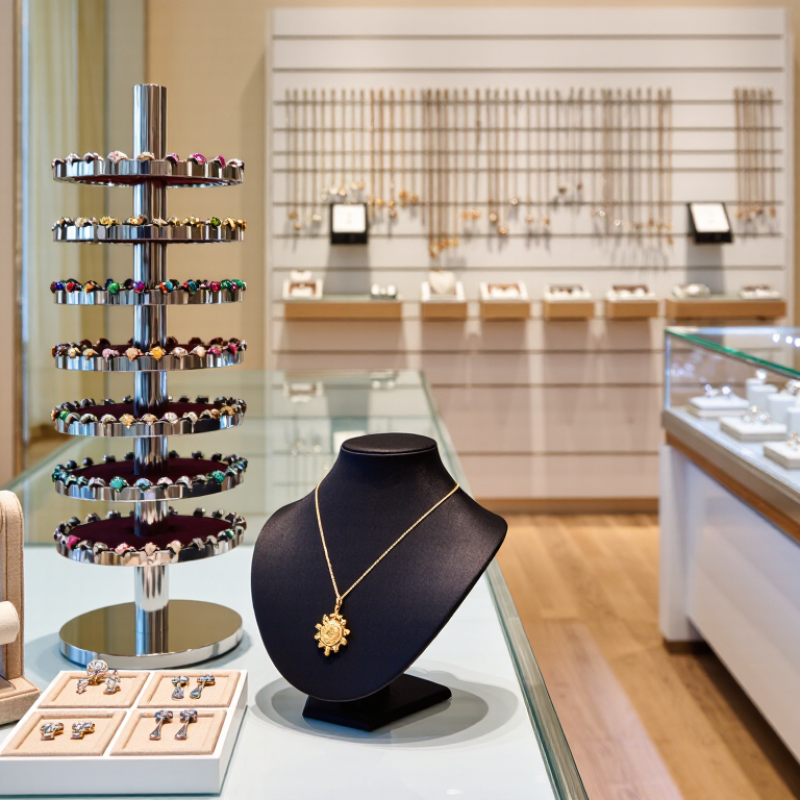
What Are the Top Types of Jewelry Display Racks?

How Jewelry Display Racks Are Classified

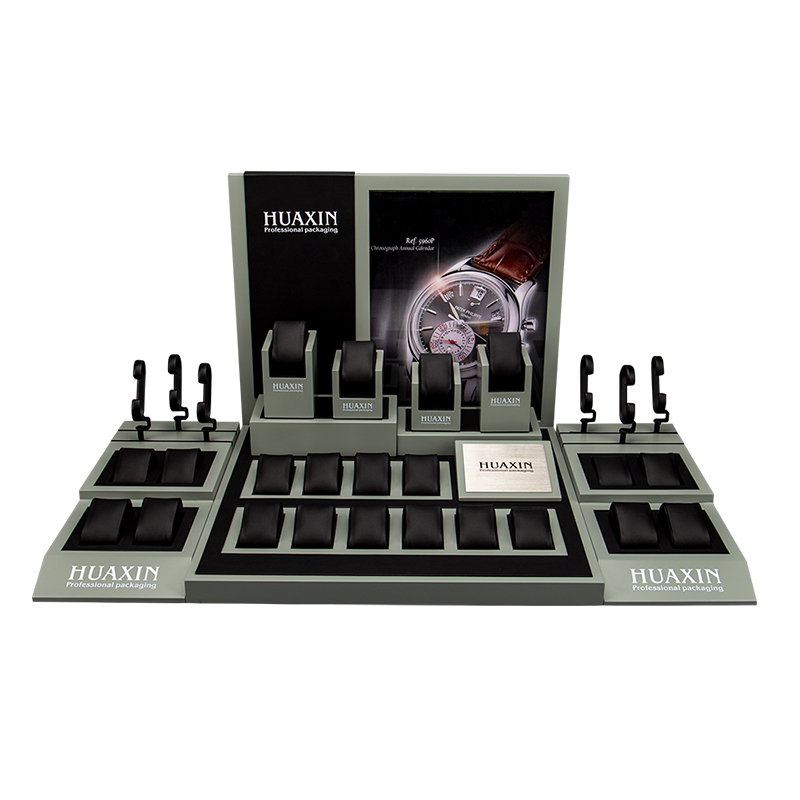
Jewelry display racks are best classified by how they hold pieces and where they sit. Countertop racks keep small selections close to the customer, often using short hooks or tiered bars for earrings and necklaces. Floor-standing racks offer more capacity and suit larger retail areas. Wall-mounted rails save counter space, though items may be harder to reach during busy hours. That trade-off matters.

A second classification looks at the display surface. Hooks separate necklaces and help reduce tangling, while horizontal bars work well for bracelets and watches. Trays with divided compartments keep rings and small earrings visible without letting them slide together. Bust forms show how a necklace hangs against a neck-shaped surface, but they use more space. Some racks combine these features, so categories are not always neat.

Materials and mobility provide another useful lens. Metal frames can support heavier pieces, while wood or acrylic may create a softer or cleaner visual effect. Rotating stands make many earrings accessible in a small footprint, but they need stable bases and room to turn. Not every rack fits every collection. A practical choice depends on item size, display space, and how often staff handle the pieces. It is easy to overlook reach height; even a tidy rack can be awkward for shorter customers.

Countertop Jewelry Display Racks

Countertop jewelry display racks make small pieces easier to notice without taking over valuable selling space. A low velvet tray can keep rings visible, while tiered stands separate necklaces and bracelets. Leave gaps between pieces; a crowded counter can make delicate designs look less considered. Keep popular items near eye level, and place mirrors nearby so shoppers can check scale and fit. Small details matter.

The opportunity is substantial, but display choices should suit the store. Grand View Research valued the global jewelry market at USD 353.26 billion in 2023 and projected a 4.7% compound annual growth rate from 2024 to 2030. The National Retail Federation’s 2024 Valentine’s Day survey estimated jewelry spending at USD 6.4 billion. These figures describe market demand, not guaranteed sales from fixtures. For Jewelry Display Racks Wholesale purchases, compare finishes, footprint, stability, and how quickly staff can restock each unit. A compact rack can still feel awkward if its hooks tangle chains or block sightlines. Honestly, there is no perfect layout. Test one arrangement, observe where customers pause, then adjust.

Wall-Mounted Jewelry Display Racks

Wall-mounted jewelry display racks turn unused wall space into a clear, shoppable feature. They suit compact boutiques, salons, and pop-up shops where floor space is limited. Place everyday pieces near eye level, then group items by material, color, or use. A short row of hooks can hold necklaces; shallow shelves can keep earring cards visible. Keep enough space between pieces to prevent tangling. Small details matter.

The 2012 POPAI Shopper Engagement Study reported that 76% of purchase decisions were made in-store. This is broad retail research, not jewelry-specific evidence, but it helps explain why visible, easy-to-compare displays matter. The U.S. Census Bureau reported that e-commerce accounted for 15.4% of total retail sales in 2023. That figure describes retail overall, not jewelry; it offers context for the continuing role of physical shopping. A wall rack lets customers inspect color, finish, and scale at close range.

Choose fixtures that match the wall material and expected load, and check that fasteners sit securely. Use a small lip or clear guard on shelves to reduce accidental slips. Avoid crowding every hook. Empty space can make pieces easier to notice, though too much can look unfinished. Test the arrangement from the doorway and from a seated position. It may take a few adjustments.

Freestanding Jewelry Display Racks

Freestanding jewelry display racks are useful when merchandise needs to move with changing layouts. A rotating rack can show earrings from several angles, while a tiered stand keeps necklaces visible without using much counter space. Choose a stable base and check that hooks, bars, and trays feel secure when fully loaded. They move easily. That matters in shops that refresh displays often. Still, a rack that looks neat alone may feel crowded beside a busy checkout.

Tips: Place heavier pieces lower to help the rack stay balanced. Leave enough room for customers to browse without brushing nearby displays. For an effective Jewelry Racks Display, group items by type or length, then use small, clear labels. Avoid filling every hook. Open space helps each piece stand out.

Match the rack’s finish and height to its surroundings, but prioritize visibility over decoration. Metal frames can suit a clean, modern layout; wood may feel warmer beside natural textures. Check sightlines from the entrance and from seated positions. A tall stand can hide smaller items behind it. That can be easy to miss during setup. Review the arrangement from a customer’s viewpoint, and adjust when pieces overlap or the display feels awkward.

Rotating Jewelry Display Racks

Rotating jewelry display racks make a small counter feel more usable. Their turning center lets shoppers view several sides without lifting every piece. Hooks can hold necklaces, while small trays keep earrings and rings visible. Match the rack to the jewelry: long chains need enough clearance, and heavier pieces need stable supports. A compact base saves space, but a crowded rack can hide delicate designs.

In daily use, smooth rotation matters more than speed. A rack that wobbles may knock pieces together or make browsing awkward. Check that hooks are spaced far enough apart to reduce tangling, and keep frequently handled items within easy reach. Small details matter. Dust also shows clearly on dark finishes, so a quick wipe with a soft cloth helps keep the display neat. Avoid overloading the center post; uneven weight can affect balance.

Rotating racks work well for shops with limited counter space, craft fairs, or home collections. They are less useful when pieces need security or careful separation. Not always the best fit. Before choosing one, test how easily it turns when loaded, inspect the base, and consider whether customers can return items to the right hook. A rack may look tidy when empty, yet feel cramped once necklaces and bracelets are added.

Tiered Jewelry Display Racks

Tiered jewelry display racks use vertical space to show more pieces within a small counter area. A three-level stand can separate necklaces, bracelets, and earrings without making the display feel crowded. Place longer chains on the upper hooks, where they are less likely to brush against lower items. Keep small studs near eye level. They are easy to miss.

Choose a rack with a stable base and enough space between tiers for hands to reach each piece. Metal or sealed wood can be practical for frequent handling, but check for smooth edges that might snag delicate chains. For a shop comparing Wholesale Jewelry Display Racks, consider both the rack’s footprint and how quickly staff can restock it. A tall display may hold more, yet feel top-heavy on a narrow counter.

Lighting and spacing matter, too. Leave a little breathing room between pieces so shoppers can see each shape clearly. Test the rack with the jewelry you actually sell; bulky pendants may overlap even when a display looks spacious while empty. Tiered designs can improve visibility, but they are not a fix for every layout. A lower, wider stand may work better where customers browse from several sides.

What Are the Top Types of Jewelry Display Racks? — Tiered Jewelry Display Racks

Compare common tiered rack configurations by the number of display levels.

Each tier adds a separate horizontal display level. The number of items a rack can hold depends on its size and the jewelry being displayed.

Trays and Compartment Racks for Jewelry

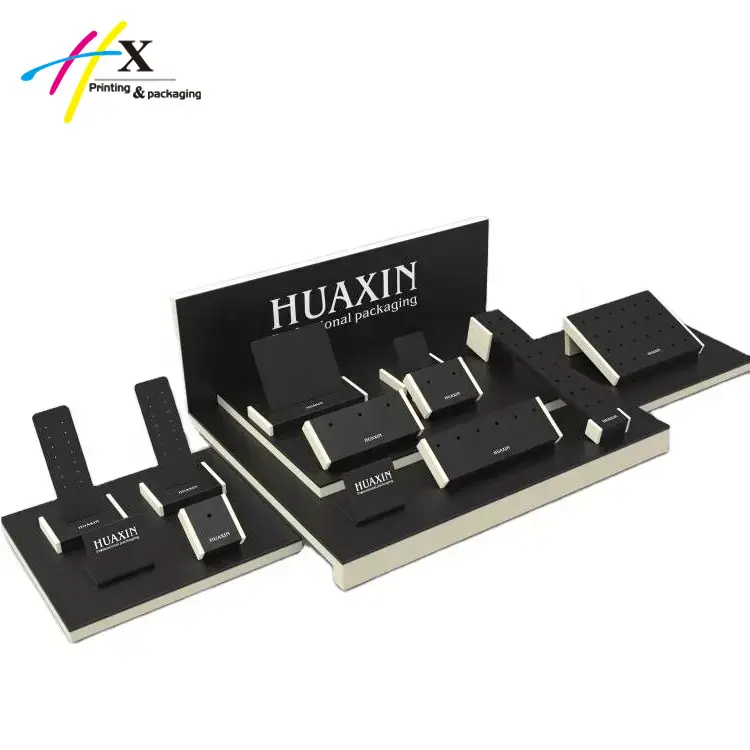
Trays and compartment racks suit small jewelry that can easily tangle or disappear on a crowded counter. Shallow trays keep rings, earrings, and delicate chains visible without stacking pieces on top of one another. Separate compartments help staff return items to consistent places. That matters during busy hours. A soft-lined insert can reduce sliding, while clear labels make similar-looking pieces easier to distinguish. Measure each item before choosing compartments; oversized sections waste space, and tiny ones can catch hooks or clasps.

An Abstracta Jewelry Display setup can combine a tray for rings with a compartment rack for earrings and pendants. Keep frequently handled pieces near the front, and place longer chains where they can lie flat. Leave a little breathing room. Overfilling a tray may seem efficient, but it often slows browsing and increases tangles. Check the layout under the store’s actual lighting, too: dark inserts can hide small metal details, while very reflective surfaces may create glare. The ideal arrangement is not always the fullest one. A small amount of unused space can make the display easier to maintain, though it may feel wasteful at first.

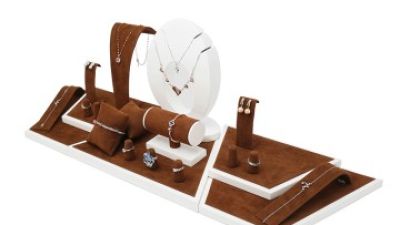
Customizable White and Brown Jewelry Display JZ549 for an Elegant Retail Presentation

The Customizable White and Brown Jewelry Display JZ549 brings a refined, balanced look to retail spaces. Its combination of light and warm tones creates an inviting backdrop that can help jewelry stand out without overwhelming its details. Designed with presentation in mind, this display can complement a range of store styles, from clean and contemporary interiors to more classic settings. The customizable appearance also makes it easier to coordinate the display with a shop’s existing colors and visual identity.

Use JZ549 to arrange jewelry in a clear, considered way, making individual pieces easier for customers to view. A coordinated display can bring consistency to a countertop, showcase, or dedicated product area, while the contrast between white and brown adds subtle visual depth. Whether presenting a small selection or forming part of a larger retail arrangement, this versatile option supports an elegant shopping atmosphere and keeps attention focused on the pieces themselves.

FAQS

How can countertop jewelry racks make small pieces easier to see?

Use a low velvet tray for rings and tiered stands for necklaces. Leave gaps between pieces. Crowded counters can make delicate designs harder to notice.

Where should popular jewelry pieces be placed?

Keep frequently handled items near eye level and close to the front. A nearby mirror helps shoppers judge scale and fit.

When are wall-mounted jewelry racks useful?

They suit compact boutiques, salons, and pop-up shops with limited floor space. Hooks can hold necklaces, while shallow shelves keep earring cards visible.

How can a wall display stay secure and easy to browse?

Match the fixture and fasteners to the wall material and expected load. Avoid filling every hook. Check the arrangement from the doorway, too.

What are trays and compartment racks best for?

They help separate rings, earrings, and delicate chains. Soft lining can limit sliding, and clear labels help staff return items to the right place.

How do I choose the right compartment size?

Measure pieces before buying a tray. Large sections waste counter space; tiny ones may catch clasps. A little empty space helps.

Can display fixtures guarantee higher sales?

No. Market figures show broad demand, not guaranteed results from a fixture. Watch where shoppers pause, then adjust the layout.

How can store lighting affect a jewelry display?

Check the rack under the store’s real lighting. Dark inserts can hide small metal details, while reflective surfaces may cause glare. I might be wrong about one finish; test it in person.

Conclusion

Jewelry Display Racks come in a range of styles designed to make jewelry easy to see, organize, and access. They can be classified by where they are placed, how much space they use, and the way they present items. Countertop racks suit compact displays, while wall-mounted options help free up surface space. Freestanding racks can hold a larger selection and be positioned wherever a display is needed.

Other designs focus on access and organization. Rotating racks let viewers browse items from different sides, and tiered racks use multiple levels to show pieces clearly. Trays and compartment racks keep smaller items sorted and separated. Choosing among these types depends on the available space, the assortment of jewelry, and the display’s purpose. A thoughtful combination of rack styles can create a tidy, inviting presentation while making individual pieces easier to find.

Lila

Lila

Lila is a dedicated marketing professional based in Gangzhou, specializing in the enhancement of her company's online presence. With a deep understanding of the products offered, she consistently showcases her expertise through meticulously crafted blog articles on the company’s website. Lila's......
Previous 2026 Best Perfume Boxes for Wholesale Buyers?