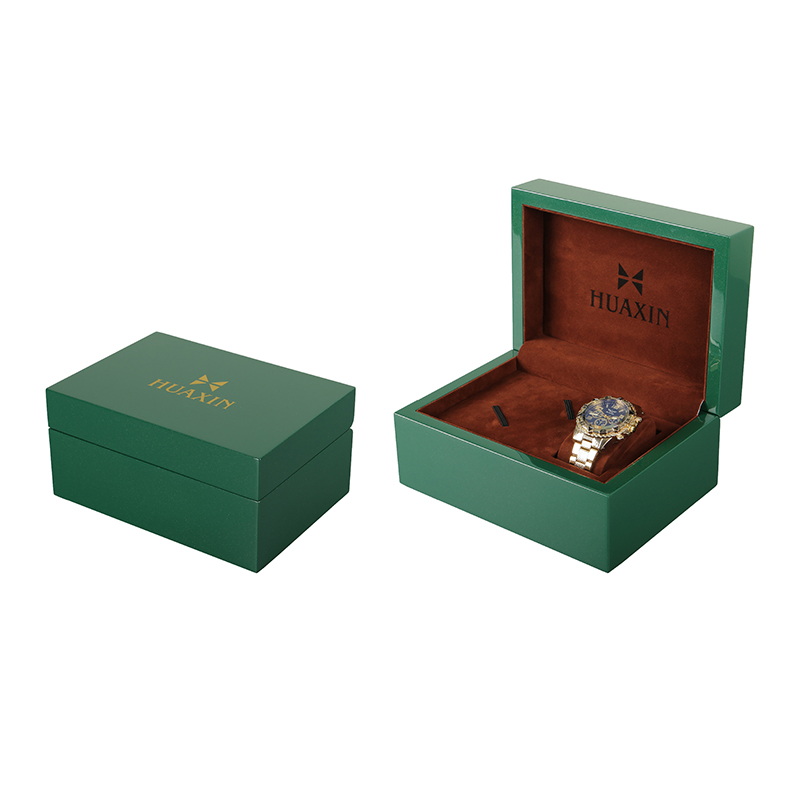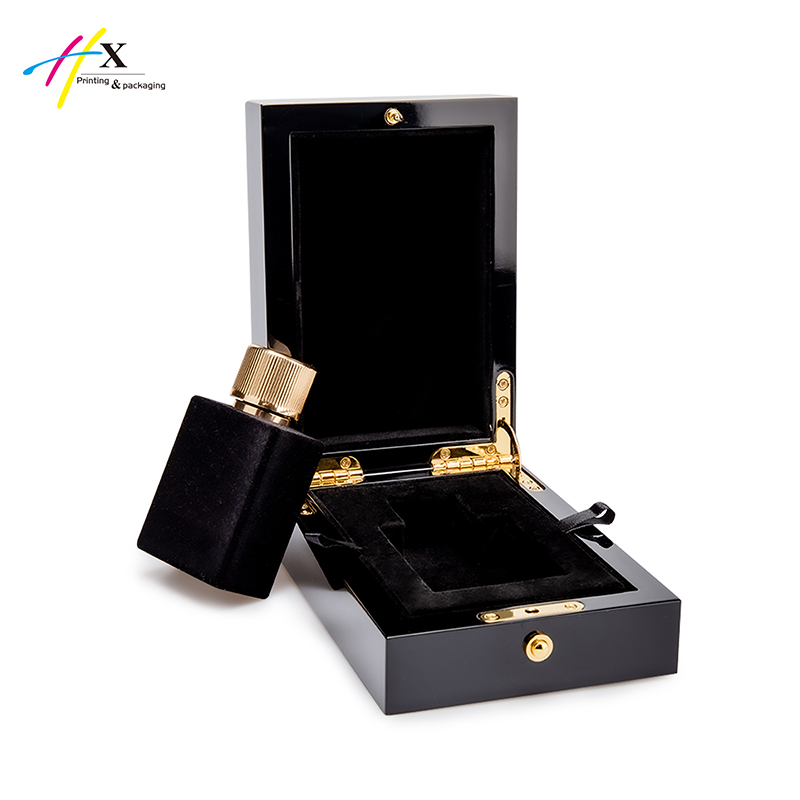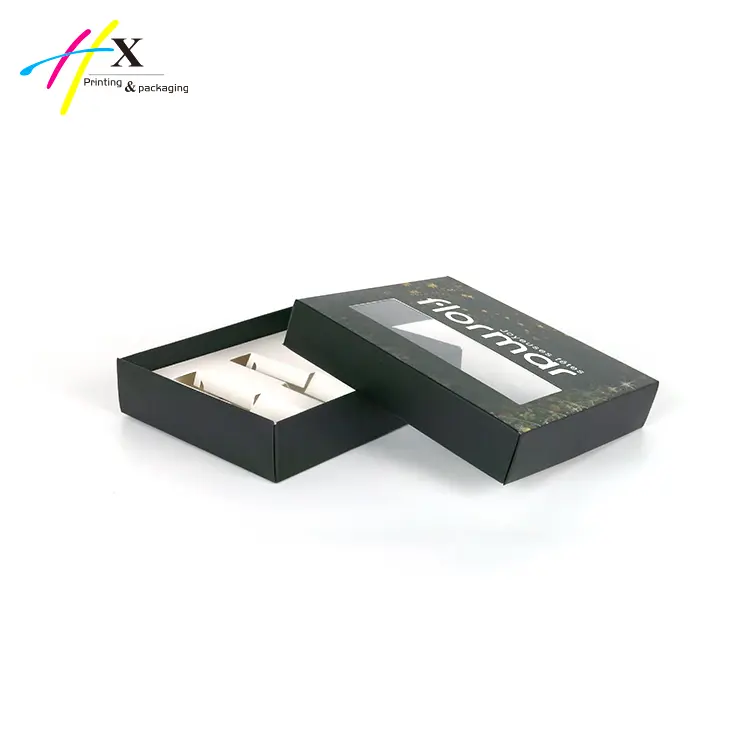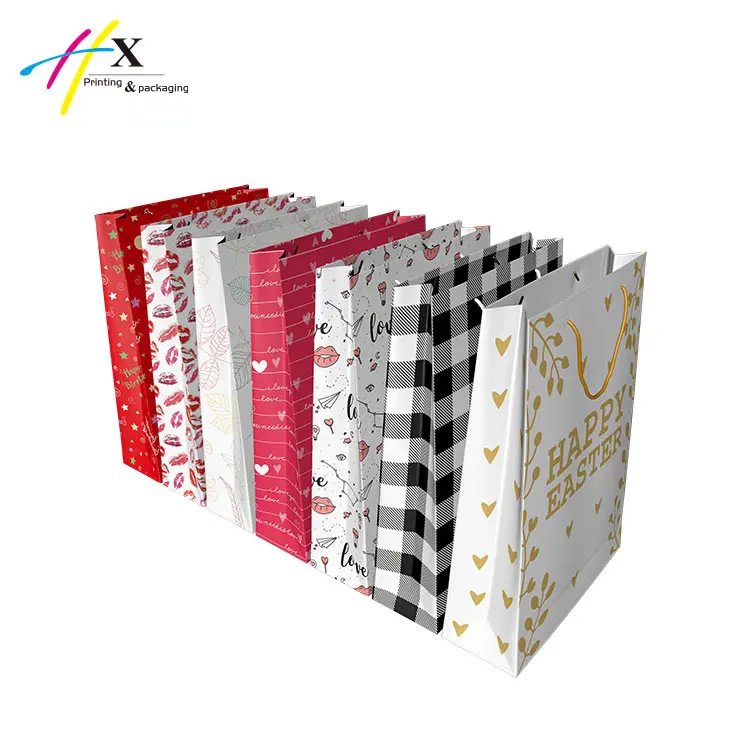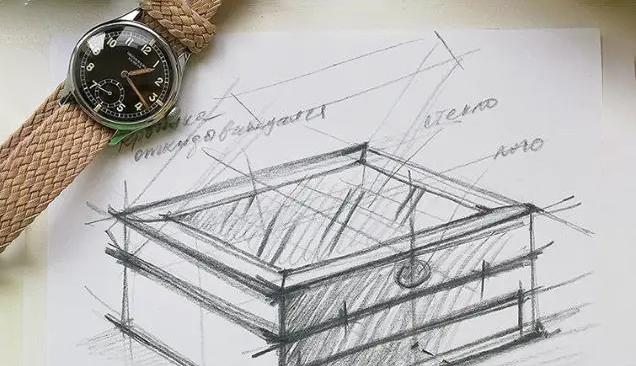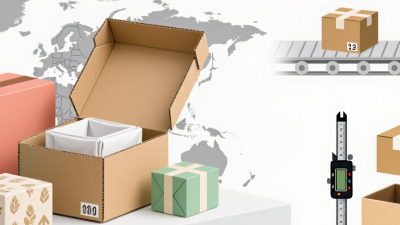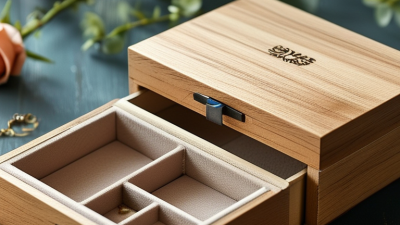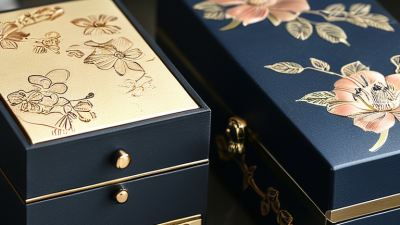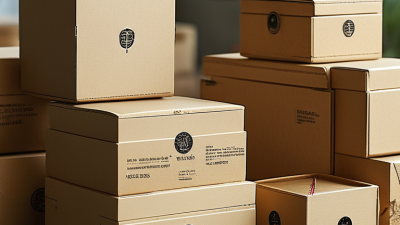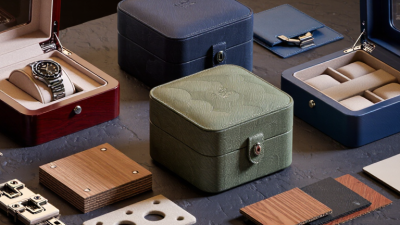
Wholesale buyers don’t usually pick gift boxes just because they look nice. Looks matter, sure, but they’re also checking strength, sizing, presentation, cost, and whether delivery is reliable. The right Gift Box Supplies should do two jobs at once: protect the product and support a consistent brand image. A rigid box can be a great fit for candles or premium cosmetics. A folding carton, on the other hand, often makes more sense for lighter items and bigger order volumes. And the small stuff? It matters more than people think. The lid should close cleanly. Inserts should hold products snugly, with no rattling around. The surface should be able to handle light scuffing during transport.
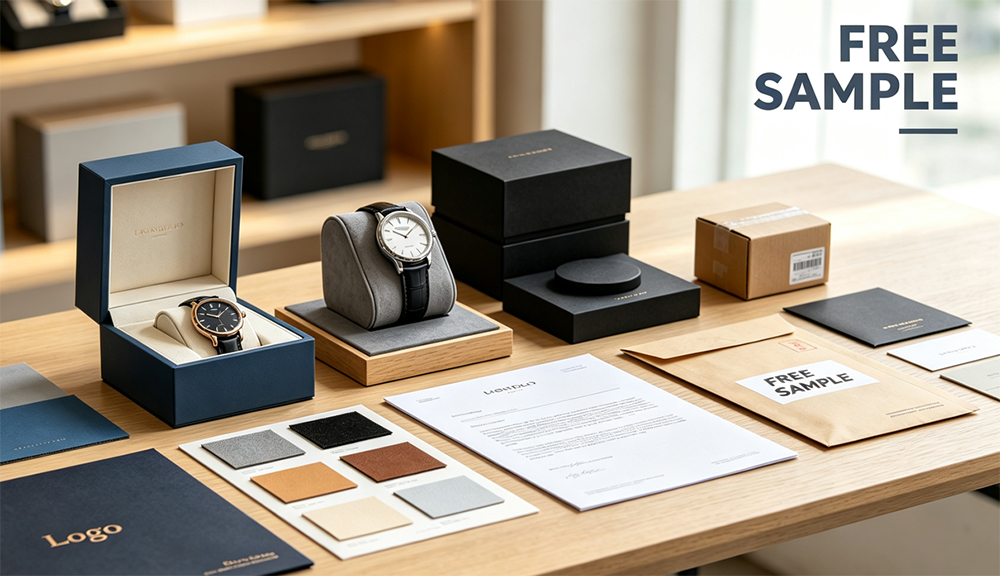
Experienced buyers tend to run through Gift Box Making Supplies with a practical checklist. They’ll compare paperboard thickness, recycled content, ribbon quality, magnetic closures, tissue paper, stickers, and protective packaging. They also ask for samples before signing off on a wholesale order. That step can expose uneven edges, weak magnets, off colors, or loose inserts. Does it take time? Yes. But it can save you from some very expensive surprises later.
Good suppliers should give you clear specs, realistic production schedules, and consistent quality checks. Buyers should ask about minimum order quantities, customization limits, carton packing, and replacement policies. Certifications can matter too, especially when recycled materials or specific packaging standards are required. That said, no supplier gets every detail right every single time. A printed color might vary slightly from batch to batch. A prototype that looks beautiful may still perform poorly in transit. That’s why testing is still essential. The strongest purchasing decision balances visual appeal, product protection, budget, and dependable supply. This guide looks at practical options for wholesale buyers who need gift box materials that perform beyond the sample table.
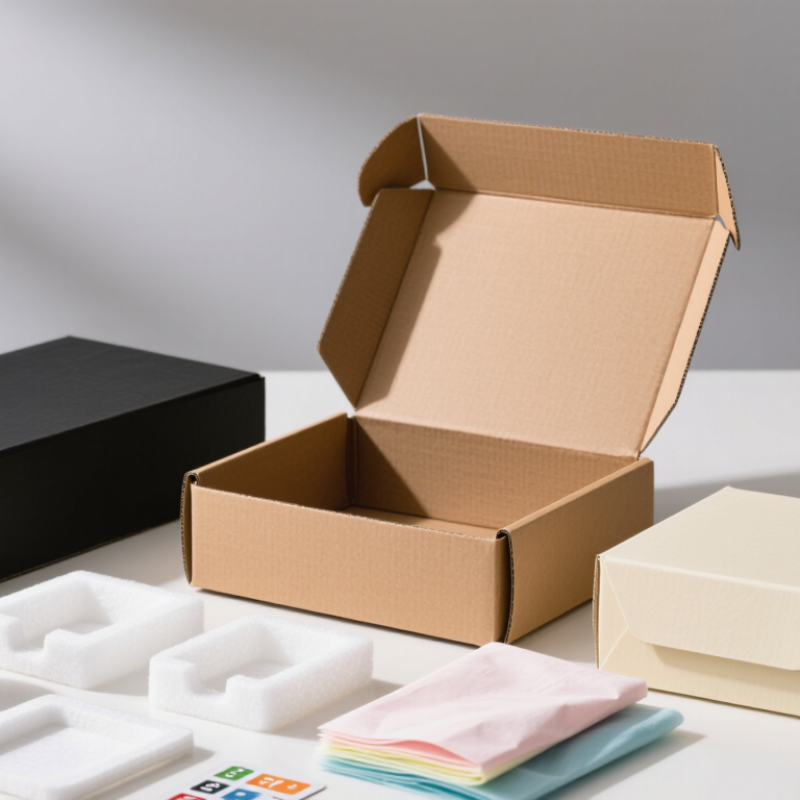
Wholesale buyers need gift box supplies that protect products, control packing time, and support several price tiers. Core stock includes rigid boxes, folding cartons, corrugated mailers, tissue paper, paper filler, adhesive seals, and product inserts. Different sizes matter. A box leaving two inches of empty space wastes material and increases movement during delivery. For fragile items, molded pulp inserts or die-cut cardboard supports provide structure with less plastic.
Shipping efficiency deserves close attention. The 2023 global Parcel Shipping Index recorded 161.8 billion parcels worldwide in 2022. That volume makes lightweight, correctly sized mailers practical for wholesale operations. Buyers should compare box strength, flat-pack storage, assembly time, and dimensional weight charges. A beautiful box can still be a poor purchase. I have seen packaging look premium on a sample table, then slow packing teams on a busy afternoon.
Sustainability is now a purchasing factor, not merely a design preference. A 2023 global packaging survey found that approximately six in ten consumers would pay more for sustainable packaging in selected categories. Wholesale buyers can consider recycled paperboard, recyclable paper filler, water-based inks, and reusable fabric ties. Certifications and supplier documentation should be checked carefully. “Eco-friendly” is too vague. The cheaper option may also create more waste. This deserves review. Suppliers should test compression, moisture resistance, insert fit, and customer unpacking before committing to large quantities.
For wholesale buyers, box selection starts with the item, not the printed design. Measure the product first. Record length, width, height, and clearance for tissue or inserts. A box that is too tight scuffs corners. Excess space increases shipping movement and material use. For a mixed product line, keep two or three size families. This simplifies storage and purchasing. Test a filled box on a packing table. Close the lid repeatedly. Watch for crushed edges, loose inserts, or awkward hand clearance. A realistic trial is more useful than a supplier’s dimension chart.
Shape should follow both product geometry and retail handling. Square boxes stack efficiently, while long boxes suit bottles, scarves, or stationery sets. Round or hexagonal forms attract attention, but they leave unused space in cartons. They may also need custom inserts. Shape changes everything. For wholesale orders, calculate the outer carton pattern before approving an unusual design. A beautiful silhouette can create higher freight costs and slower packing. I would also test label placement and barcode visibility, because decorative angles can hide essential information.
Material affects protection, appearance, and purchasing consistency. Rigid board gives a premium feel and resists compression. Folding paperboard is lighter and often easier to store flat. Corrugated options suit heavier items or rougher transit conditions. Choose based on product weight, moisture exposure, stacking pressure, and expected reuse. Do not judge material by touch alone. Check edge strength, lid fit, odor, color consistency, and performance after a drop test. Recycled content can be valuable, but fiber quality may vary between batches. I have seen attractive samples fail when bulk cartons arrived with softer corners. A small pilot order exposes such weaknesses before a large purchase. Compare samples under identical packing conditions, then record the results beside the quotation for your Gift Box Packaging Supplies.
| Gift Box Type | Typical External Size | Shape and Structure | Common Material | Recommended Product Capacity | Best Wholesale Uses | Main Advantages | Important Buying Considerations |
|---|---|---|---|---|---|---|---|
| Small Folding Carton | 100 × 70 × 35 mm | Rectangular, flat-packed, tuck-end closure | 250–350 gsm folding boxboard | Jewelry, small candles, cosmetics, handmade soap | Retail counters, subscription boxes, event giveaways | Lightweight, space-efficient during shipping, easy to print and assemble | Choose a board thickness that resists creasing; add an insert when the product can move inside the box |
| Medium Two-Piece Box | 200 × 150 × 80 mm | Rectangular base with a separate lift-off lid | 1.2–2.0 mm greyboard wrapped with coated paper | Apparel accessories, bath sets, food hampers, stationery sets | Seasonal gift collections and premium retail packaging | Rigid structure, reusable design, strong shelf presentation | Confirm lid fit and internal clearance; the assembled box requires more storage volume than a folding carton |
| Magnetic Closure Box | 240 × 180 × 90 mm | Book-style hinged lid with concealed magnetic closure | 1.5–2.5 mm greyboard with paper, fabric, or leatherette wrap | Skincare sets, gourmet products, corporate gifts, accessories | Premium gift programs and presentation-focused product lines | Convenient opening experience, durable, suitable for repeated use | Check magnet strength, closure alignment, and compliance requirements for air or international shipping |
| Drawer-Style Box | 220 × 140 × 55 mm | Rigid sleeve with a sliding inner tray and pull ribbon | 1.2–1.8 mm greyboard with printed paper wrap | Tea, chocolates, candles, jewelry, small electronics accessories | Luxury retail displays and multi-item gift sets | Distinctive unboxing, organized interior, good perceived value | Allow adequate tolerance between tray and sleeve; humidity can affect sliding performance |
| Pillow Box | 180 × 110 × 45 mm | Curved end panels with a self-locking fold | 300–400 gsm paperboard or recycled kraft board | Scarves, socks, small accessories, soap, confectionery | Boutiques, party favors, promotional distribution | Distinctive silhouette, low material usage, ships flat | Measure the product at its widest point; curved panels reduce usable interior space |
| Window Gift Box | 180 × 120 × 65 mm | Rectangular carton with a die-cut viewing window | 350 gsm paperboard with cellulose or PET window film | Cookies, candles, handmade goods, small gift sets | Products that benefit from direct visual inspection | Displays the product without opening, supports retail merchandising | Use a grease-resistant window and lining for oily or food products; verify the film's recyclability claims |
| Hexagonal Box | 170 mm across × 75 mm high | Six-sided rigid or folding construction | 300–400 gsm paperboard or wrapped greyboard | Tea, confectionery, candles, floral gifts, themed sets | Special events, holiday assortments, novelty collections | Memorable shape, strong visual differentiation, suitable for coordinated displays | Use custom-cut inserts to prevent product rotation; non-rectangular cartons may require more complex packing |
| Round Hat Box | 200 mm diameter × 100 mm high | Cylindrical body with a removable round lid | 1.2–2.0 mm wrapped greyboard or spiral-wound paperboard | Hats, scarves, flowers, candles, oversized confectionery | Fashion, floral, wedding, and premium lifestyle gifts | Good visual impact, stackable when properly reinforced, reusable | Check compression strength and lid retention; round formats may use more warehouse space than rectangular boxes |
| Kraft Mailer Gift Box | 250 × 180 × 80 mm | One-piece self-locking mailer with protective flaps | 1.5–2.5 mm E-flute corrugated board or heavy kraft board | Apparel, books, wellness kits, subscription products | E-commerce fulfillment and direct-to-consumer shipments | Protective, lightweight, easy to assemble, suitable for shipping labels | Match the box size to the product to limit void fill; test drop and compression performance before bulk purchase |
| Luxury Fabric-Wrapped Box | 300 × 220 × 100 mm | Rigid rectangular base with hinged or lift-off lid | 1.8–2.5 mm greyboard wrapped in cotton, linen, velvet, or synthetic fabric | Premium apparel, jewelry collections, executive gifts, keepsakes | High-end presentation and long-term reusable packaging | Soft tactile finish, strong structure, high perceived value | Inspect fabric consistency, edge finishing, odor, stain resistance, and protection during export shipping |
Wholesale selection guide: Measure the product, insert, and protective padding together before choosing the internal box size. For shipping, leave enough clearance for protection without creating excessive empty space. Confirm material thickness, closure performance, flat-packed or assembled shipping format, print requirements, and packaging regulations before placing a bulk order.
For wholesale buyers, packaging inserts often determine whether a gift box arrives polished or damaged.
A rigid paperboard tray can hold a ceramic cup, candle, or small bottle in place during transport. Molded pulp inserts add cushioning and suit buyers seeking recyclable material options. They also handle minor compression well. Yet “eco-friendly” is not automatic. A weak insert can collapse under stacked cartons.
For fragile products, die-cut corrugated dividers create separate cells and prevent contact between items. Foam pads offer stronger shock absorption, especially around glass edges and fitted lids. However, foam may create disposal concerns and increase storage volume. Test both before ordering thousands. Drop a packed sample from handling height, then inspect corners, seams, and product surfaces. This simple trial reveals gaps that supplier specifications may miss. I have found that a snug fit protects better than thick padding alone.
Wholesale buyers should also check insert consistency across production batches. Small size changes can cause movement, scratching, or a crooked presentation. Tissue wraps, neck collars, and soft pouches can protect printed finishes without adding much weight. Keep the opening easy to access. Retail staff dislike inserts that tear during unpacking. One mistake is overfilling the box. More material does not always mean more protection. Review damage reports, packing speed, and shipping conditions before choosing the final structure.
For wholesale buyers, Gift Box Supplies should protect the product and create an immediate emotional response. Ribbons add movement and a deliberate finishing touch. Tissue paper softens hard edges while hiding the item until opening. Fillers prevent shifting, especially around candles, ceramics, and small accessories. Practical packing tests show that a tightly packed box feels more valuable, but excessive filler can look careless.
The presentation also supports current sustainability expectations. McKinsey’s 2023 global packaging survey found that paper and cardboard were among consumers’ preferred packaging materials across markets. Choose recycled tissue, paper ribbon, or molded paper fillers when possible. Color still matters. A deep green ribbon on ivory tissue feels calm, while bright colors create a more playful unboxing moment. Keep the message clear.
The National Retail Federation forecast 2024 U.S. holiday sales at up to $989.0 billion, increasing pressure on wholesale packaging to look consistent at scale. Standard ribbon lengths, tissue sizes, and filler volumes can reduce packing errors. Yet uniformity should not erase detail. A slightly uneven hand-tied bow may feel warmer than a perfect machine finish. That is worth reconsidering. Wholesale buyers should test compression, color transfer, and storage dust before approving large quantities. Small flaws become expensive when multiplied across thousands of boxes.
Ribbons, tissue paper, and fillers improve the perceived value of gift packaging by adding color, structure, protection, and a more polished unboxing experience.
How the supplies enhance presentation: Ribbons create a strong finishing detail and support color coordination. Tissue paper adds softness, layering, and visual coverage inside the box. Shredded fillers and crinkle paper provide volume while helping stabilize products during handling. Stickers and tags add customization and make seasonal or occasion-based packaging easier to organize.
The scores are comparative planning ratings based on common packaging functions, not market-share or company performance data.
Wholesale gift box buyers should treat labels as part of the product experience, not a last-minute decoration. A clear label can show the product name, size, material, care details, and contact information. It also gives customers a reason to remember the package. For Gift Box Supplies Australia, many buyers choose weather-resistant paper or laminated labels for humid storage areas and delivery conditions.
Printing choices shape how a box feels in the hand. Digital printing suits short runs, seasonal designs, and quick artwork changes. Flexographic printing may work better for larger quantities with consistent colors. Foil stamping adds a reflective accent, while embossing creates a raised logo or border. Keep the main text readable. Tiny lettering often disappears on textured paper.
I have found that label samples should be tested on the actual box surface. Adhesive strength can change on kraft board, coated card, or recycled paper. Not every sample looked perfect. That was useful. One pale ink became difficult to read under warm shop lighting. Buyers should check color, alignment, peeling edges, and barcode clarity before approving a full order. A practical proofing sheet can prevent expensive reprints, although it cannot predict every handling condition. It is worth leaving space for batch codes or handwritten notes when the packaging process needs flexibility.
When sourcing Gift Box Supplies Wholesale, compare quality before comparing quoted prices. Request physical samples before approving a large order. Inspect corners, hinges, magnets, ribbons, and printed surfaces under bright light. Measure the box walls and check whether lids close evenly. A rigid box should feel stable without excessive weight. Ask for material specifications, board thickness, coating type, and production tolerances. Small flaws matter at scale.
Cost needs a landed-cost worksheet, not just a unit-price comparison. Add packaging, sample charges, shipping, inspection, and possible rework. I once saw a low quote become expensive after weak inserts caused product movement. Calculate usable units, not only cartons received. Ask for price breaks at different quantities, but check whether quality changes between production runs. Cheap is not always efficient.
Order terms can change the real value of a supplier. Confirm minimum order quantities, deposit timing, balance payment, sample approval, and replacement rules for defects. Ask whether artwork changes affect the production schedule. Clarify lead times for sampling, manufacturing, and dispatch in writing. Use an agreed sample as the quality reference. One weakness remains: buyers often trust promises more than records. Keep photos, measurements, and inspection notes. If a supplier avoids clear answers, the risk may already be visible.
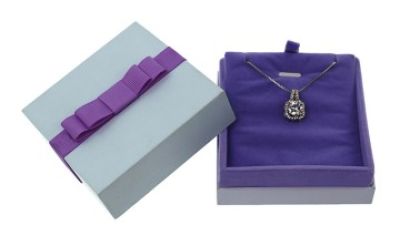
New-style necklace packing plastic boxes with inserts are gaining attention as jewelry packaging evolves toward greater protection, presentation, and material efficiency. Recent market research reports indicate that packaging buyers increasingly value lightweight designs, clear product visibility, and flexible structures that can support different necklace shapes. A fitted insert helps keep chains organized, reduces tangling, and holds pendants securely during storage and transportation. Transparent or semi-transparent plastic can also create a clean display effect while allowing customers to view the product without opening the box.
Modern designs often combine a compact outer case with removable foam, velvet, paperboard, or molded plastic inserts. This approach allows one box format to accommodate various necklace lengths and pendant sizes while improving operational efficiency. Smooth edges, reliable closures, and scratch-resistant surfaces contribute to a more refined user experience. As sustainability becomes a stronger purchasing consideration, manufacturers are also exploring recyclable materials, reduced packaging volume, and inserts that can be separated for easier disposal. Custom colors, textured finishes, printed patterns, and clear labeling enable retailers to create distinctive packaging without compromising function.
Core supplies include rigid boxes, folding cartons, corrugated mailers, tissue paper, fillers, seals, and product inserts. Different sizes matter. Keep options for fragile and lightweight products.
Choose a box that fits closely around the product. Two inches of empty space can increase movement and material use. Correct sizing may also reduce dimensional shipping charges.
Molded pulp inserts and die-cut cardboard supports add structure. They suit candles, ceramics, glass items, and small accessories. Test the fit before ordering large quantities.
Test compression, moisture resistance, insert fit, assembly time, and customer opening. Also check flat-pack storage. A beautiful sample may still slow workers during a busy afternoon.
Ribbons create a finishing detail. Tissue paper softens hard edges and hides the product briefly. Fillers prevent shifting inside the box. Too much filler can look careless.
Consider recycled paperboard, recycled tissue, paper ribbon, molded paper fillers, and water-based inks. Ask for clear supplier documentation. “Eco-friendly” alone says very little.
Digital printing suits short runs and seasonal artwork. Flexographic printing may suit larger quantities with steady colors. Foil stamping adds shine, while embossing creates raised details.
Apply labels to the actual box surface. Check adhesion, color, alignment, peeling edges, and barcode clarity. Test under warm lighting. One pale ink may disappear.
Labels can show the product name, size, material, care details, and contact information. Leave space for batch codes or handwritten notes when needed.
Standardize ribbon lengths, tissue sizes, and filler volumes to reduce errors. Still, a slightly uneven hand-tied bow may feel warmer. Perfect is not always better.
Wholesale buyers need reliable Gift Box Supplies that balance product protection, visual appeal, and cost efficiency. The right gift box should match the product’s size, shape, weight, and retail positioning, while materials such as rigid board, kraft paper, or recyclable paperboard can support different presentation and sustainability goals. Inserts made from molded paper, foam, cardboard, or other protective materials help prevent movement, scratches, and damage during handling and shipping.
Ribbons, tissue paper, shredded fillers, and decorative accents can create a more polished unboxing experience, while labels, stickers, sleeves, and custom printing help communicate product information and build a consistent brand identity. When comparing suppliers, wholesale buyers should review material quality, printing accuracy, assembly options, minimum order quantities, lead times, shipping arrangements, and total pricing. A dependable supplier should offer consistent production, practical customization, clear order terms, and quality controls that support repeat purchasing.