- OEM/ODM
- Display Solutions
- Packaging Solutions
- Service
- About Us
- Contact
 Watch Displays
 Jewelry Displays
 Watch Boxes
 Jewelry Boxes
 Perfume Boxes
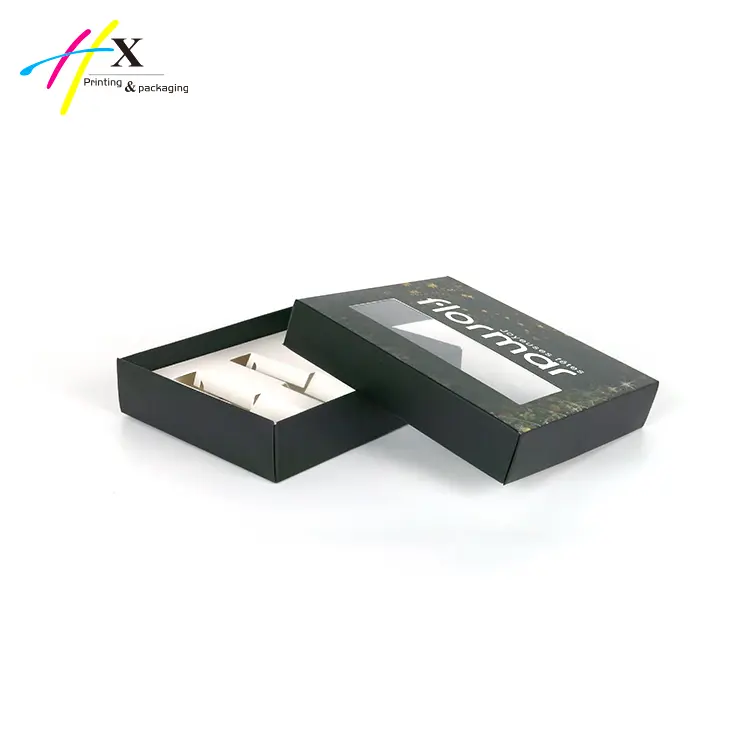 Paper Boxes
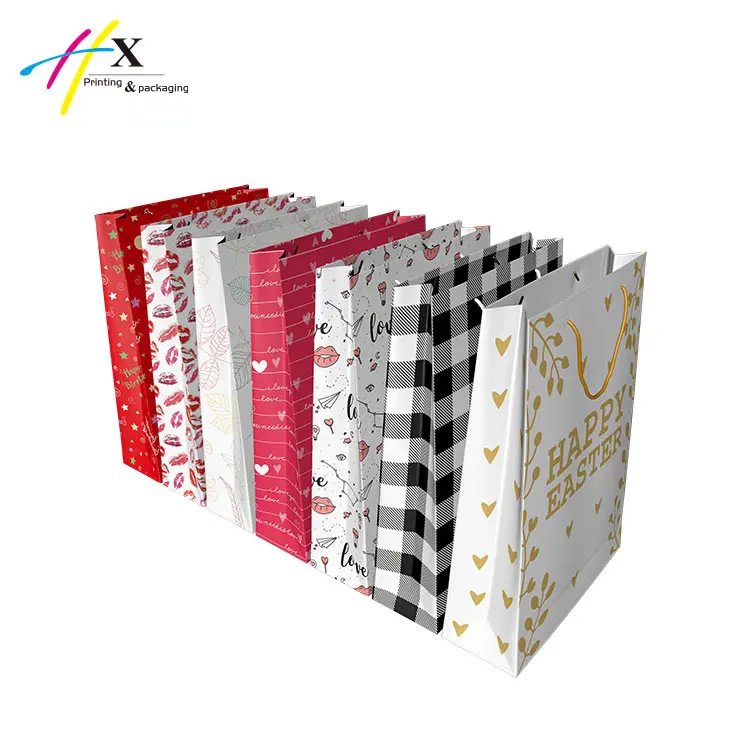 Paper Bags
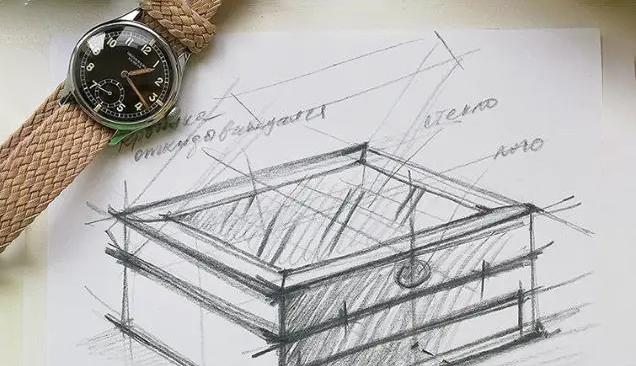 Design Lab
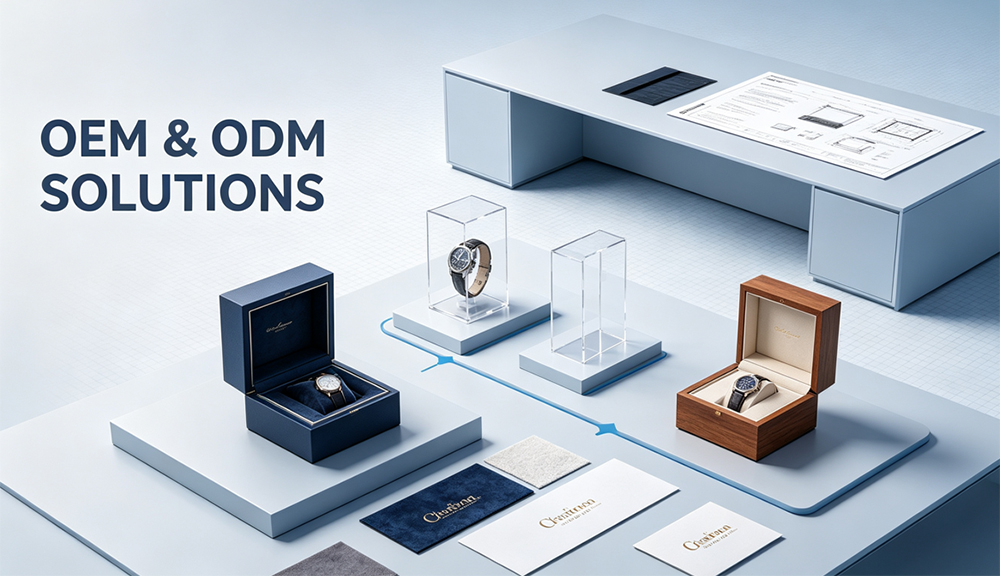 OEM&ODM Solution
 Free Sample
 Custom Option
 Factory Tour
 Our Team
 Our Story
 Exhibitor Plan
 Case Study
 Video
 News
inquiry
Leave Your Message
-
Phone
-
E-mail
-
Whatsapp

-
Whatsapp

So, picking the best personal watch box in 2026 really comes down to how you actually use your watches. A small case might be perfect on a nightstand, but if you've got a bigger collection, you'll want an organizer where each watch has room to breathe and isn't rubbing against its neighbor. Before you start comparing capacities, actually count your watches. Sounds obvious, but it's surprisingly easy to skip.
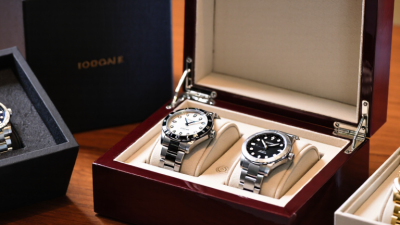
Now, don't just judge a watch box by its cover—look inside. You want a soft, non-abrasive lining and cushions that actually fit, because that's what keeps your watches from getting scratched up when they're just sitting there. Also, pay attention to how the lid fits, how smoothly the hinge moves, and how much room there is around the clasp—especially if you've got metal bracelets or chunky cases. A lock can add privacy, sure, but it doesn't replace secure storage. Bottom line: pretty looks don't mean much if the basics aren't right.
So, if you’re actually comparing options under “Personal Creations Watch Box,” don’t just trust the photos — definitely double-check the listed dimensions, materials, and return terms. Honestly, it’s pretty hard to tell how things really look or feel from a screen. And if you plan on traveling with it, think about the weight, how it closes, and whether your watches will stay separated while it’s being tossed around in a bag. At home, honestly? A clear lid makes it so much easier to see what you’re grabbing—but yeah, it’s going to show every bit of dust and every fingerprint.
There’s no perfect answer that works for every collector. You just have to weigh capacity, protection, build quality, and price against your actual day-to-day routine. The little details really do matter. And sometimes a great-looking box just takes up way too much room. So measure before you fall in love with it.
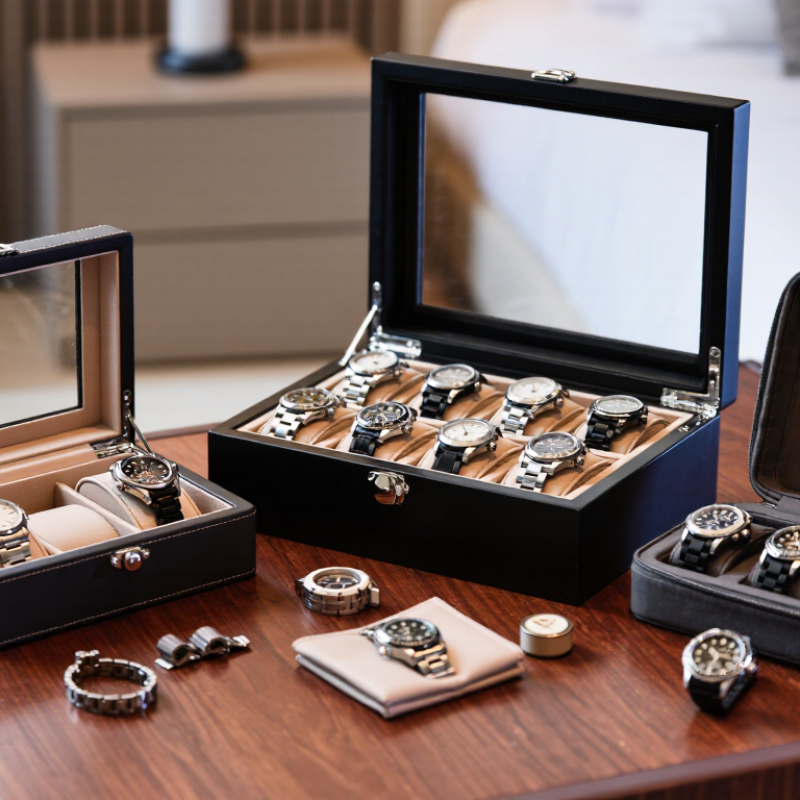
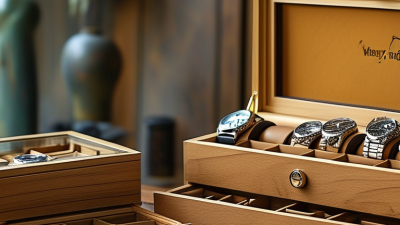
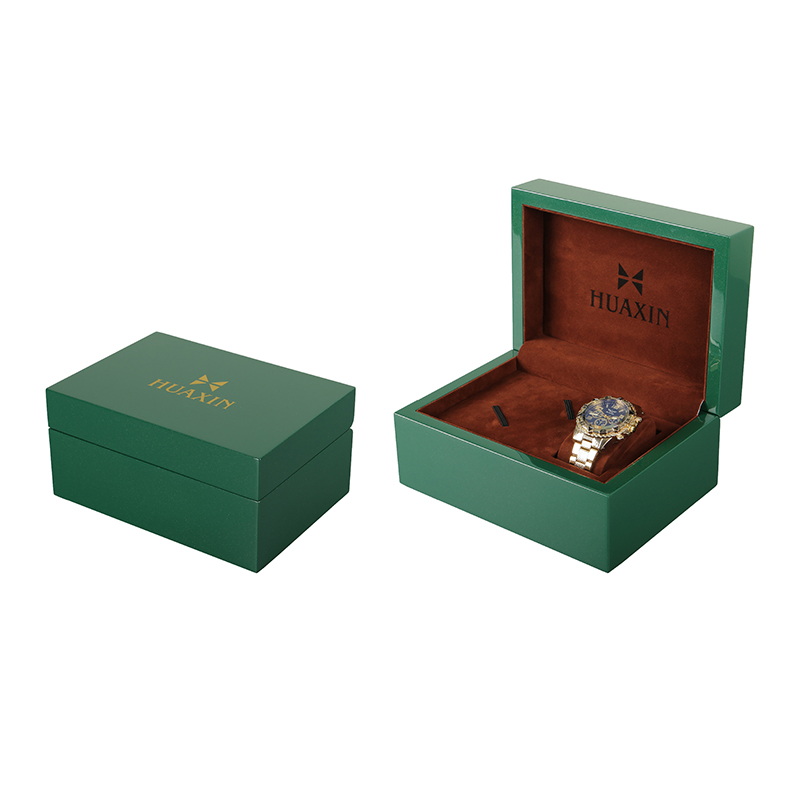
A Personal Watch Box is a dedicated container for keeping one or several watches when they are off the wrist. Most designs have padded compartments, soft lining, and a fitted lid. Their purpose is practical: separate watches, reduce scratches from loose objects, and make daily selection easier. It is storage, not a repair tool.
In ordinary use, the box sits on a dresser or inside a drawer, away from direct sunlight, damp bathrooms, and rough movement. A watch should rest flat or around a cushion without its bracelet being forced tight. Check that the lining is clean; grit caught in fabric can mark a polished case. A secure lid helps limit dust, but it is not perfectly airtight. I have found that easy access matters more than a dramatic finish.
The best design depends on how a watch is worn and stored. A single-watch box suits rotation between work and weekends, while multiple compartments help keep bracelets from touching delicate surfaces. Measure the watch, including its crown and strap, before choosing a compartment. Automatic watches do not need a box to keep running; winding devices are separate equipment and may not suit every movement. A box cannot replace regular inspection or servicing. I still sometimes choose one for its appearance before checking the cushion fit. Not ideal.
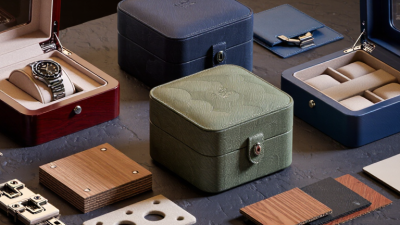
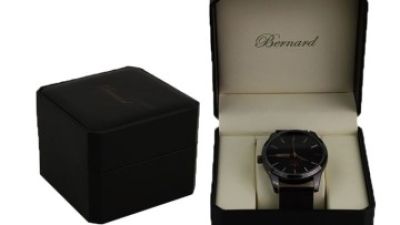
The Swiss watch industry study points to a market shaped by changing buyer expectations: watches are valued not only as timekeepers but also as personal objects to wear, collect, and pass on. That shift makes thoughtful storage part of the ownership experience. A small leather watch box offers a compact place to keep a watch protected between wears, while bringing a refined, tactile detail to a dresser, desk, or travel bag. Its modest footprint suits people who own a few watches and prefer easy access over a large display case.
For everyday use, a well-designed box should balance protection with convenience. A soft interior and a secure cushion can help limit scratches and keep a watch in place, while a firm outer structure provides added protection when the box is carried. Simple compartments and a reliable closure are useful without adding unnecessary bulk. As consumers place greater emphasis on quality, longevity, and considered purchases, a small leather watch box can complement those priorities: it supports careful handling and gives a valued accessory a dedicated home, whether stored at home or packed for a short trip.
Measure each watch, including its case and bracelet. Check compartment dimensions before buying. Fit matters.
Cushions should support each watch without stretching its strap or letting it slide. Removable cushions can help with larger watches.
Look for soft lining, smooth seams, and hinges that open without wobbling. Small hinges matter.
It makes the dials easy to see. Keep the box away from direct sunlight, which can fade some materials over time.
A lock may deter casual handling, but it is not high-security protection. Store the box thoughtfully at home.
Check its weight, handle, and how firmly the watches stay in place. A heavy full box can be awkward to move.
Choose sturdy construction and smooth lining, then store the box somewhere dry and away from direct heat. Inspect the cushions occasionally.
Not necessarily. Extra spaces help only when they fit your watches and let you lift each one out easily. I might overlook a detail that matters to your routine.
A Personal Watch Box is designed to keep watches organized, protected, and easy to access, whether you own a few everyday pieces or a growing collection. Watch boxes vary in capacity, materials, and construction, so choosing one involves more than counting compartments. Consider the quality of the exterior and interior, the support provided by each cushion, and whether the layout suits the sizes and styles of your watches.
The best choice for 2026 depends on how you use and store your collection. Compare practical features such as secure closure, visibility, portability, and protection from dust, scratches, and everyday handling. A box kept at home may prioritize display and capacity, while one used during travel should be compact and easy to carry. By matching the box’s design and features to your collection, routine, and long-term storage needs, you can choose an option that balances convenience, protection, and presentation.