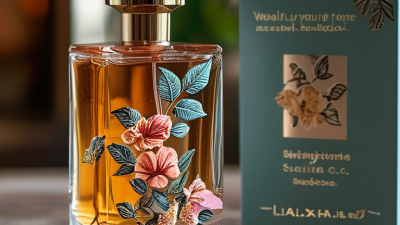
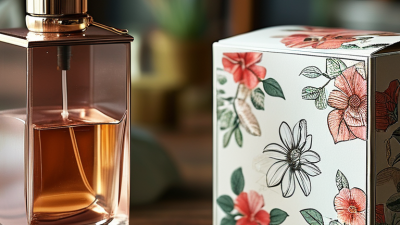
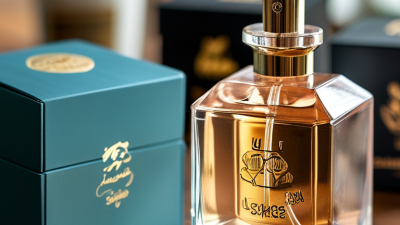
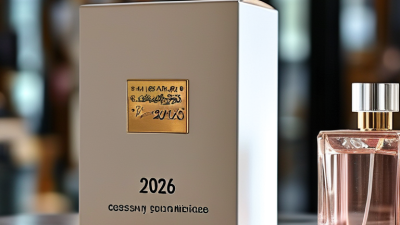
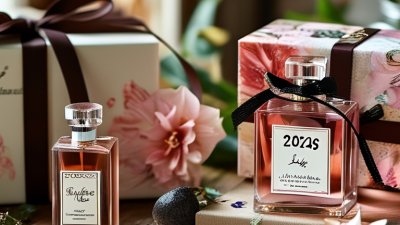
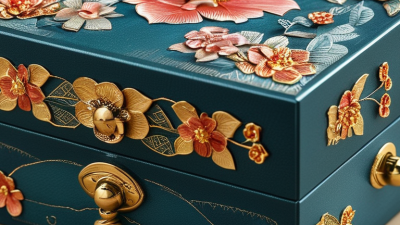
Honestly, by 2026, wholesale buyers are going to expect perfume boxes to be a lot more than just pretty packaging. These boxes have to do some real work: protect fragile glass bottles, keep costs in check, and communicate the brand in a split second. One crushed corner can undo months of product development. And a loose insert? That’s a fast track to expensive returns.
Marc Rosen—the guy behind Marc Rosen Associates—once said that “packaging is the silent salesman.” And honestly, that still rings true. Think about it: the box usually gets to the customer before the fragrance ever does. So if you’re a buyer, don’t just skim the specs. Actually check the rigid board thickness, make sure the insert sits right, test the magnetic closure, and see how durable the surface really is. And definitely ask for physical samples before you sign off on a big order. It’s worth the extra step.
So here’s the thing—if you’re buying perfume boxes wholesale in 2026, this guide has you covered. We dig into minimum order quantities, production timelines, color consistency (which can be a real headache), recyclable materials, and how things hold up with international shipping. And sure, FSC-certified paper, water-based coatings, and plastic-free inserts sound great for sustainability. But going greener can also shift your pricing and make the boxes less sturdy. That’s a trade-off you’ll want to actually test before making a decision.
Honestly, details matter a lot. Just a 2-millimeter difference in fit? That can totally throw off bottle stability. Foil stamping looks premium, sure, but it adds production time — sometimes more than you'd expect. If you're buying wholesale, don't skip the basics: compression tests, carton dimensions, and replacement policies. And definitely ask if the supplier can keep the same finish order after order. Because at the end of the day, there's no perfect box.
You know how it goes—some folks get so caught up in how a product looks that they totally forget about the logistics side. Then there are the ones who always go for the cheapest quote, only to get hit with surprise costs later on. We also look at packaging for subscription services, like the Best Perfume Subscription Boxes, where things like being compact and easy to open can really make or break whether customers stick around. Honestly, you can’t make solid decisions unless you’ve got real samples, clear specs on paper, and suppliers who actually tell you the truth.
Wholesale Perfume Box Market Trends for 2026
Wholesale perfume packaging is moving toward lighter, traceable, and more adaptable formats in 2026. Mordor Intelligence estimates the perfume packaging market will grow at about 5% annually through 2030. This supports steady demand for Boxes For Perfume Bottles across retail, gifting, and online fulfillment.
Buyers are requesting recycled paperboard, molded-fiber inserts, and water-based coatings. The Sustainable Packaging Coalition reports that recyclability and material transparency strongly influence packaging decisions. However, “recyclable” claims need evidence. Suppliers should provide material specifications, recycled-content percentages, and reliable disposal guidance. Green language without documentation can damage buyer confidence.
Small-batch flexibility is becoming commercially important. Wholesale teams often test several bottle sizes before committing to large production runs. A box with adjustable inserts can reduce sampling waste and simplify inventory. It also needs to survive vibration, compression, and repeated handling. Packaging failures are expensive.
Digital printing helps smaller orders carry seasonal artwork without large plate costs. Yet, metallic effects and heavy laminates may complicate recycling. That trade-off deserves more attention. Grand View Research identifies premium presentation and sustainable materials as major packaging growth drivers, but market forecasts vary by region and product category. Buyers should compare supplier test records, lead times, minimum order quantities, and actual transit performance before selecting a 2026 packaging program.
2026 Best Perfume Boxes for Wholesale Buyers
Wholesale Perfume Box Market Trends for 2026
The chart presents a 2026 wholesale buyer priority index on a 0–100 scale. Sustainable materials, premium rigid construction, customization, efficient shipping, low minimum order quantities, and protective inserts are key considerations when selecting perfume boxes for wholesale purchasing.
Key Types of Perfume Boxes for Wholesale Purchasing
2026 Best Perfume Boxes for Wholesale Buyers?
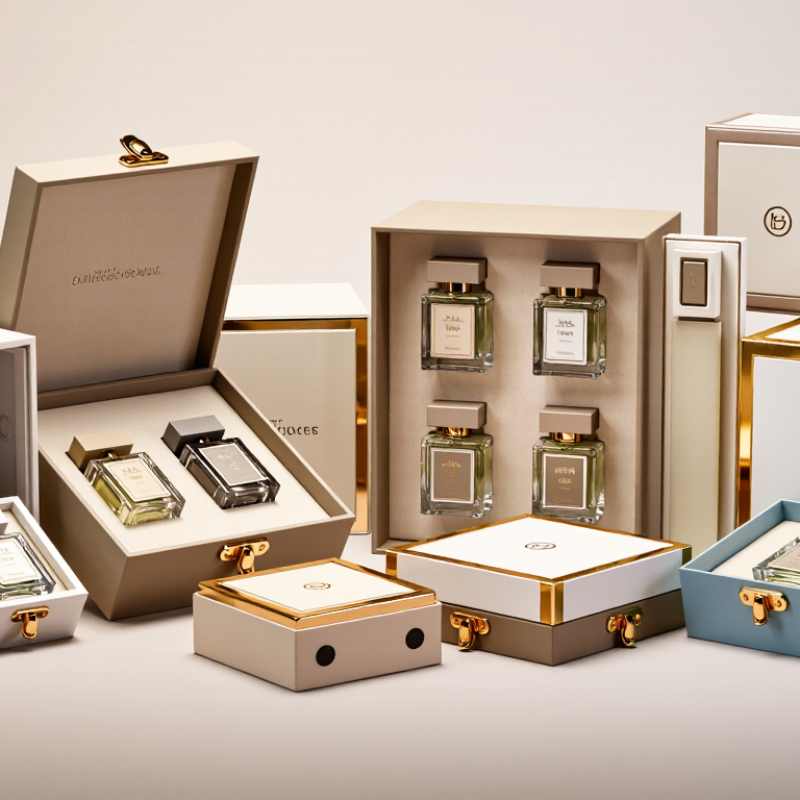
Wholesale buyers usually compare perfume boxes by protection, presentation, and packing efficiency. Folding cartons suit large orders because they are lightweight and easy to store. Rigid setup boxes offer stronger protection for glass bottles and premium collections. Drawer-style boxes create a slower, more ceremonial opening. Magnetic-closure boxes add visual appeal, but their hardware can raise costs. Kraft boxes support a natural appearance and often reduce material use. However, “eco-friendly” should be verified through material records, not assumed from color alone.
Tips: Ask suppliers for samples before approving bulk production. Test the box with the actual bottle, cap, and insert. Check whether the carton survives stacking, vibration, and moderate humidity. A molded pulp insert may protect well, but it can need more storage space. Foam can be practical, yet some buyers may reject it for sustainability reasons. Small details matter.
Wholesale packaging also depends on shipping dimensions and assembly time. Flat-packed cartons reduce warehouse volume. Rigid boxes need more careful handling and larger storage areas. Measure inner clearances precisely; loose bottles can move, while tight inserts may damage labels. Printing quality, coating, and closure alignment should be checked under bright light. I have found that attractive samples sometimes hide weak corners or uneven folds. That is worth questioning. A reliable supplier should provide material specifications, production tolerances, and a clear inspection process before shipment.
2026 Best Perfume Boxes for Wholesale Buyers? - Key Types of Perfume Boxes for Wholesale Purchasing
| Box Type |
Typical Construction |
Best Suited For |
Protection and Presentation |
Wholesale Considerations |
| Folding Carton |
Printed paperboard, supplied flat and assembled during packing |
Standard retail perfume bottles and high-volume product lines |
Offers a printable outer surface; an insert can help hold the bottle in place |
Ships flat to reduce storage and freight volume; confirm board strength and insert fit for the bottle |
| Rigid Set-Up Box |
Thick paperboard wrapped with printed or decorative paper |
Gift sets, premium launches, and presentation-focused products |
Sturdy structure and a substantial unboxing feel; fitted inserts can limit movement |
Ships assembled or nested, so storage and transport may require more space than flat cartons |
| Shoulder-Neck Box |
Rigid base and lid with an inner shoulder that creates a stepped reveal |
Premium single bottles and gift packaging |
Provides a close-fitting lid and a distinct layered presentation |
Check lid clearance, shoulder fit, and bottle height with a production sample |
| Drawer Box |
Rigid or paperboard sleeve with a sliding inner tray |
Discovery sets, small bottles, and gift assortments |
Tray can hold a shaped insert; sliding opening adds a presentation feature |
Allow for sleeve and tray tolerances; the assembled format can take more space in transit |
| Corrugated Shipping Box |
Corrugated board, often used as an outer transit carton rather than a retail box |
Bulk orders, warehouse handling, and e-commerce shipments |
Provides cushioning potential when paired with suitable dividers or protective packing |
Select board and internal protection for the shipment’s weight, route, and handling conditions |
| Window Carton |
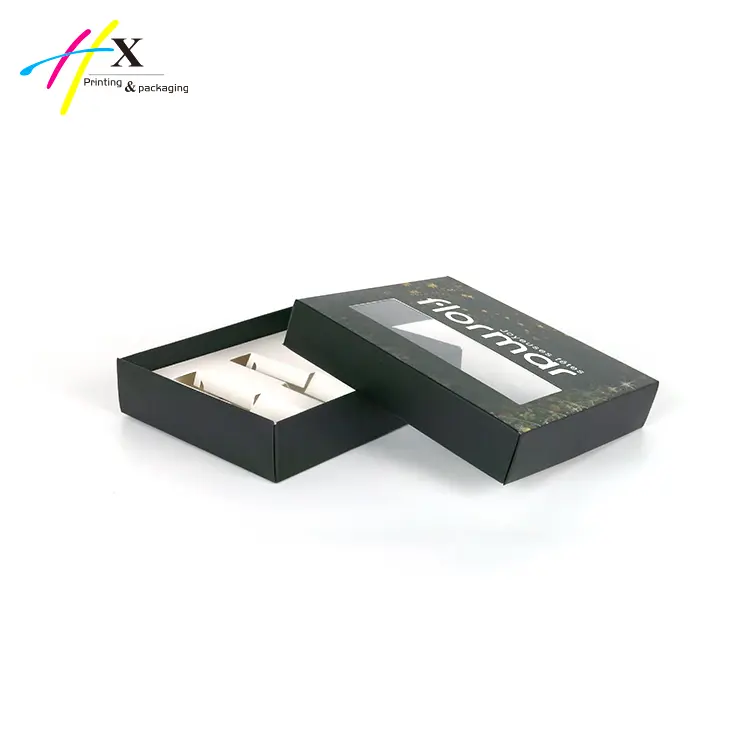
Folding carton with a die-cut opening, sometimes covered with clear film |
Retail display where visibility of the bottle is useful |
Shows part of the product while retaining a surrounding printed package |
Check window placement, film choice, and carton strength around the cut-out |
| Sample or Discovery Set Box |
Compact folding carton or rigid box with compartments or a fitted insert |
Miniatures, sample vials, and multi-scent collections |
Separates individual items and helps keep small containers organized |
Specify each vial’s dimensions and count; verify compartments against the final assortment |
Specifications, material grades, and available finishes vary by supplier and order. Confirm bottle dimensions, closure clearance, insert fit, and shipping requirements with a physical sample before approving a wholesale production run.
Essential Materials and Structural Features to Compare
2026 Best Perfume Boxes for Wholesale Buyers?
Material selection affects protection, cost, and shelf appeal. Folding cartons commonly use coated paperboard between 300 and 400 gsm. Rigid boxes often use thicker wrapped board for heavier glass bottles. A 2024 Grand View Research report valued the global cosmetic packaging market at about USD 32 billion in 2023. This growth increases pressure on suppliers to balance presentation with material efficiency.
Wholesale buyers should inspect the insert before approving the artwork. A molded pulp, paperboard, or foam insert must hold the bottle without glass-to-board movement. Check the neck area carefully. A small gap can become a costly breakage problem during pallet transport. Magnetic closures look premium, but tuck-end structures usually reduce assembly time and shipping weight. Test the box after stacking, compression, vibration, and drop exposure. A showroom sample is not enough.
Sustainability also needs measurable proof. McKinsey’s “Sustainability in Packaging” research found that 60–70% of consumers may pay more for sustainable packaging. However, buyers should request recycled-content percentages, coating details, and recycling guidance. I have seen attractive paper boxes fail in humid storage. Water-based coatings can help, but they are not universally moisture-proof. That limitation deserves honest testing. Compare flat-pack efficiency, print consistency, insert fit, and replacement costs before selecting a supplier.
How to Evaluate Custom Printing and Brand Packaging Options
2026 Best Perfume Boxes for Wholesale Buyers?
Custom printing can turn Cardboard Perfume Boxes into a strong shelf presence, but appearance is only one measure. Wholesale buyers should inspect the full packaging system. Check the board thickness, folding accuracy, insert fit, and surface durability. A 350gsm board may feel solid, while thinner stock can bend near the opening. However, heavier material is not always better. It may increase shipping costs and complicate folding.
Request a physical prototype before approving a large order. Digital proofs often hide color shifts, weak contrast, or tiny text. Ask for a printed sample under warm and cool lighting. Review the logo position, barcode clarity, foil alignment, and coating texture. Matte lamination feels refined, but it can show fingerprints. Gloss coating creates stronger color, yet it may look less premium in direct light. A small mismatch between the box and bottle can also damage the customer experience.
Tips: Use a clear dieline and confirm measurements twice. Test the insert with a filled bottle, not an empty one. Keep key text readable from arm’s length. Ask the printer about ink consistency across production batches. Request a color target and retain the approved sample. Packaging decisions can still go wrong after careful planning. That is why practical testing should outweigh attractive digital renders.
Perfume Box Size, Protection, and Shipping Requirements
Wholesale perfume buyers need boxes designed around real shipping conditions, not attractive measurements alone. China Custom Perfume Boxes can be produced in various sizes, but the inner fit must remain precise. Measure the bottle, cap, and any protective insert together. Leave limited clearance, usually enough for smooth packing without allowing movement. A loose bottle can strike the carton walls repeatedly during transport.
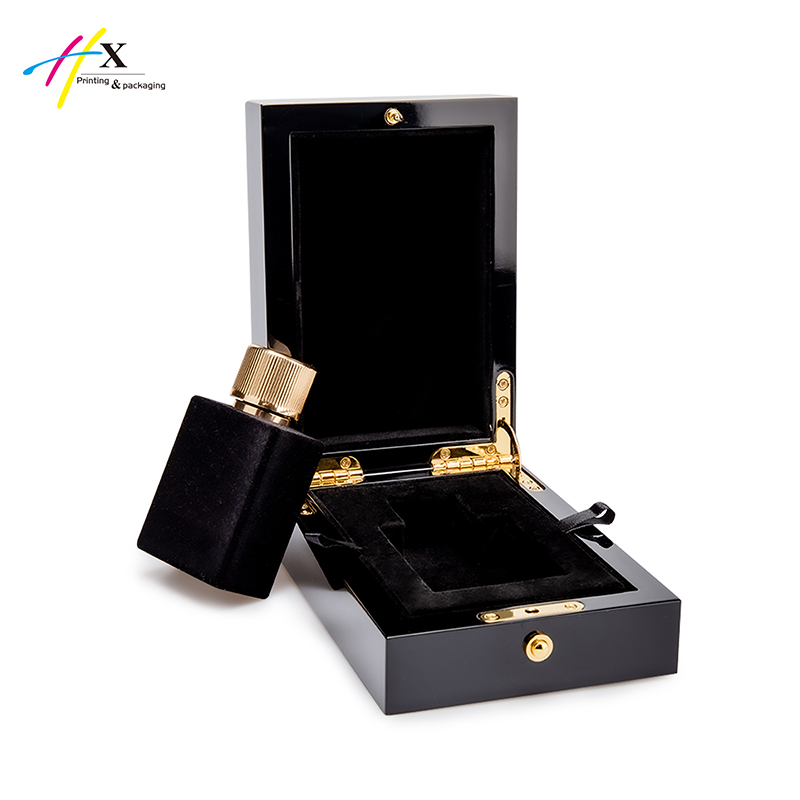
Protection depends on structure and materials. A rigid shoulder box offers stronger support than a thin folding carton, especially for heavy glass bottles. Molded inserts, paper pulp trays, or dense foam can reduce impact damage. Test a packed box with short drop trials and vibration checks. One test is never enough. I have seen attractive packaging fail because the cap pressed against the lid during stacking. That detail is easy to miss.
Tips: Confirm internal and external dimensions with your packing team. Ask for a physical sample before approving bulk production. Check carton compression when boxes will be stacked on pallets. Use moisture-resistant outer cartons for humid routes. Keep shipping marks clear and scannable. Also review the total packed weight, since oversized boxes increase freight costs and waste space. A slightly smaller box may protect better, but only after practical testing.
Sustainable Packaging Standards for Wholesale Buyers
For 2026 perfume-box procurement, sustainability should be a measurable specification, not a decorative claim.
Smithers forecasts the sustainable packaging market will reach $393.87 billion by 2028. Wholesale buyers should request material certificates, recycled-content percentages, and documented production data from suppliers.
Start with responsibly sourced paperboard, preferably certified through recognized forestry schemes. Recycled fiber can reduce virgin material demand, but it may weaken edges around heavy glass bottles.
A stronger box is not always a greener box.
Test compression, humidity resistance, drop impact, and color stability before approving large quantities. Avoid unnecessary foam, plastic windows, and mixed laminates that complicate recycling. Water-based coatings can help, but recyclability depends on the full structure.
McKinsey’s 2023 packaging research found that 60–70% of consumers may pay more for sustainable packaging. That expectation affects wholesale resale value. Buyers should also compare box weight, flat-pack efficiency, and shipping volume. Smaller dimensions often reduce transport emissions.
Not automatically.
A credible supplier should provide batch-level quality records, packaging composition, and clear end-of-life guidance. Ask whether the adhesive, foil, ribbon, and magnetic closure can be separated.
These details are easy to overlook. They are also where sustainability claims often become less convincing.
During supplier reviews, leave room for improvement, because recycled materials can vary between batches and perfection is rarely practical.
How to Select Reliable Perfume Box Suppliers in 2026
Selecting Reliable Perfume Box Suppliers in 2026
Wholesale buyers need more than attractive samples. They need stable quality, clear communication, and measurable delivery performance. Fortune Business Insights valued the global perfume market at about USD 50.85 billion in 2023. Its forecast shows continued growth through 2030. This expansion increases pressure on packaging suppliers. A dependable supplier should provide material specifications, production photos, inspection records, and a traceable sampling process. Ask whether the factory can repeat the same rigid box finish across several orders. Small color differences can damage a premium shelf presentation. I learned this after approving a sample too quickly.
Check production capacity before discussing the lowest price. A China Luxury Packaging Boxes Perfume Manufacturer should explain its board grades, wrapping materials, printing methods, and quality-control checkpoints. Smithers’ packaging research highlights growing demand for sustainable packaging and improved material efficiency. Therefore, request recycled-content evidence, paper certifications, and practical disposal information. Do not accept vague environmental claims. Review carton strength, magnetic closure performance, edge alignment, and insert fit. Test filled boxes, not empty samples.
Tips: Request three samples from different production batches. Compare weight, odor, color, and opening force. Confirm lead times in writing, including sampling and rework. Ask for a pre-shipment inspection with documented tolerances. Also, calculate landed cost, not only factory price. Freight, damaged units, tooling, and rejected cartons can change the result. No supplier is perfect. Your evaluation method should admit that risk.
FAQS
Buyers increasingly want lighter boxes, traceable materials, and adaptable inserts. Recycled paperboard and molded fiber are gaining attention. Forecasts differ by region.
Consider recycled paperboard, molded-fiber inserts, and water-based coatings. Request recycled-content percentages and disposal guidance. “Recyclable” alone proves little.
Ask for material specifications, certifications, and documented recycled content. Check whether coatings and inserts fit local recycling systems. Vague green language deserves caution.
Adjustable inserts support different bottle sizes during testing. They can reduce sampling waste and simplify inventory. The fit must remain secure.
Test filled boxes for vibration, compression, and repeated handling. Check insert movement, edge damage, closure strength, and bottle protection. Empty samples hide problems.
Request production photos, inspection records, material details, and traceable samples. Confirm whether finishes remain consistent across orders. Small color differences can affect shelf presentation.
Digital printing supports seasonal artwork and smaller quantities. Metallic effects and heavy laminates may complicate recycling. The visual gain may not justify the trade-off.
Include freight, tooling, damaged units, rework, and rejected cartons. Compare landed cost, not only the factory price. The cheapest quote can become expensive.
Request three samples from separate production batches. Compare weight, odor, color, opening force, and insert fit. I would not approve too quickly.
Conclusion
In 2026, wholesale buyers will increasingly prioritize Perfume Boxes that combine attractive presentation, reliable protection, cost efficiency, and sustainability. Key purchasing options may include folding cartons, rigid boxes, drawer-style packaging, and gift-ready structures, with choices depending on product positioning, order volume, and shipping conditions. Buyers should compare paperboard or specialty board quality, inner supports, closures, finishes, and resistance to moisture, pressure, and abrasion. Custom printing should also be evaluated through color consistency, artwork accuracy, finishing techniques, and the supplier’s ability to maintain packaging standards across repeat orders.
Box dimensions should fit the product securely while minimizing excess space, reducing damage risks and transportation costs. Sustainable materials, recyclable components, responsible sourcing, and reduced plastic use are becoming important requirements for wholesale programs. To select a dependable supplier, buyers should review production capacity, sampling procedures, quality control, lead times, communication, customization flexibility, and transparent pricing. A strong supplier should deliver consistent quality while adapting efficiently to changing market and packaging needs.
 Watch Displays
 Jewelry Displays
 Watch Boxes
 Jewelry Boxes
 Perfume Boxes
 Paper Boxes
 Paper Bags
 Design Lab
 OEM&ODM Solution
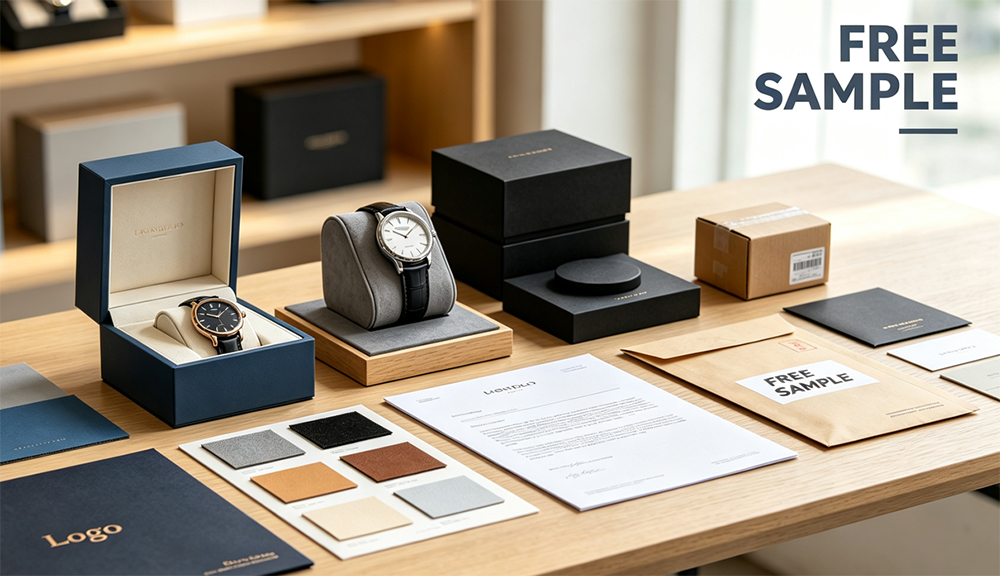 Free Sample
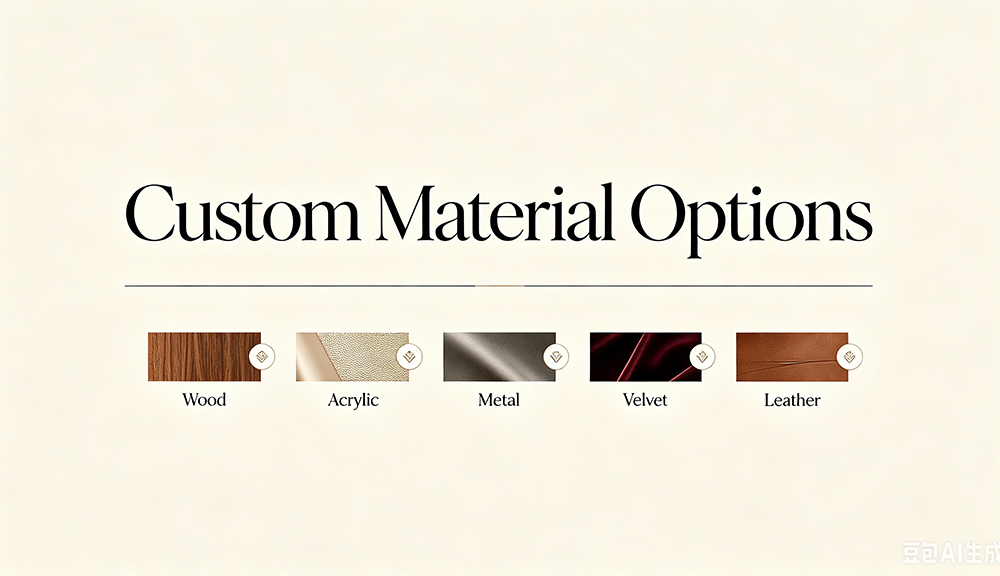 Custom Option
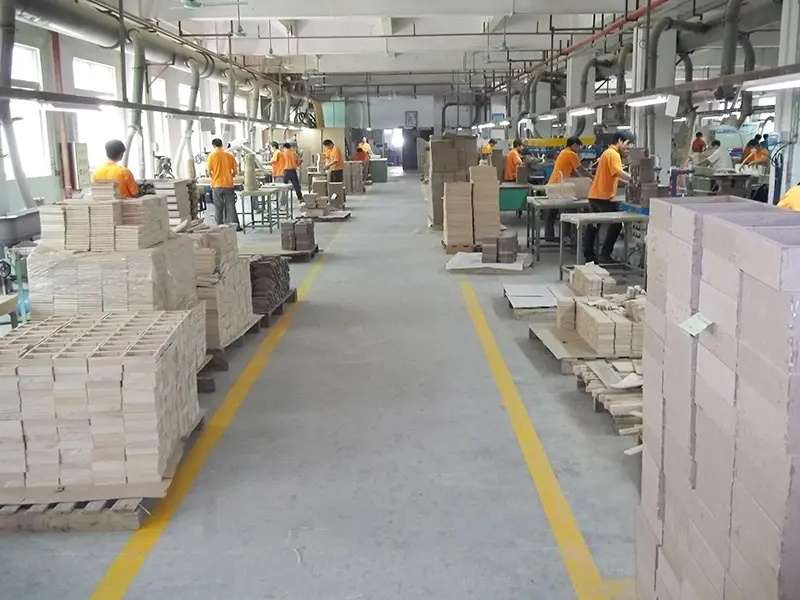 Factory Tour
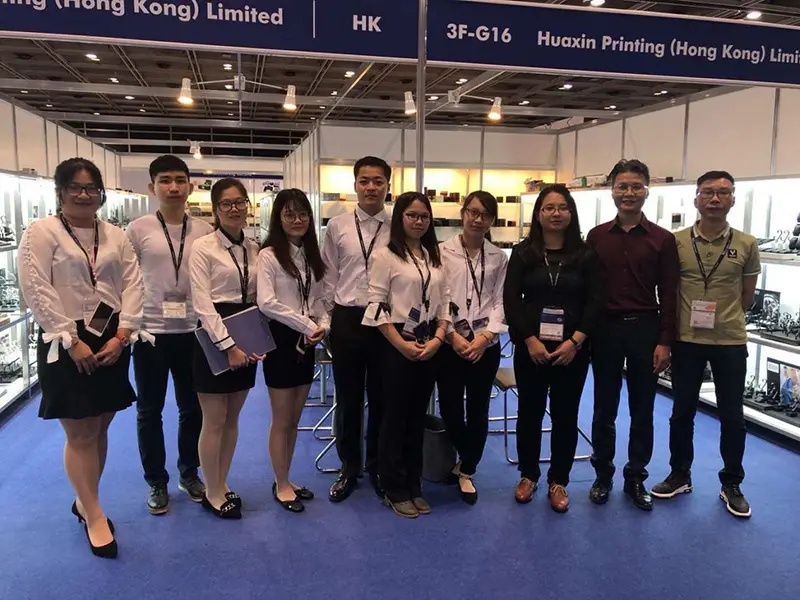 Our Team
 Our Story
 Exhibitor Plan
 Case Study
 Video
 News