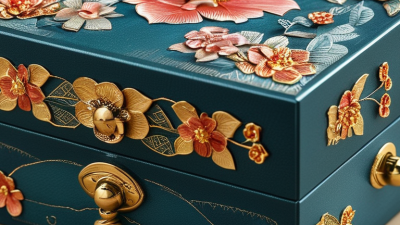
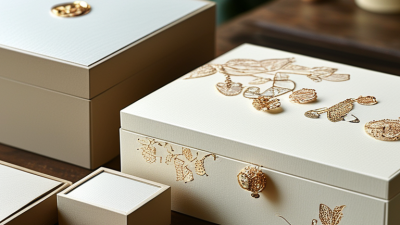
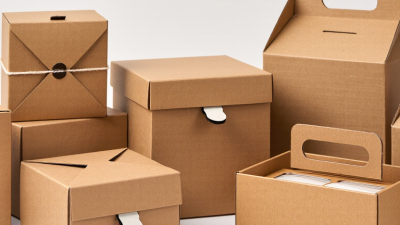
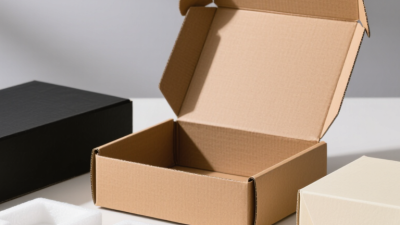
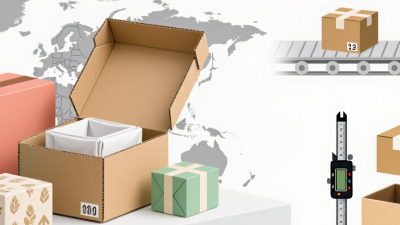
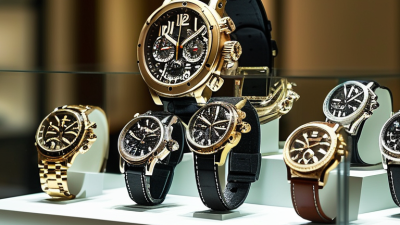
If you're picking out the best jewelry box for global buyers in 2026, looks alone won't cut it. You've got to think practically. A good jewelry box needs to keep rings, necklaces, watches, and delicate earrings safe—whether they're sitting in storage or heading out for shipping. The hinges should open smoothly, and the lining should hold up against scratches and not shed loose fibers. Buyers also want exact dimensions, reliable materials, and consistent quality from every production run. The little things really do count, too. Even a soft velvet pad can help keep pieces from shifting around. You know, a divided tray can stop chains from tangling—well, it helps, anyway. And features like that? They really matter when you're actually using the thing day to day, not just when it's posing for product photos.
Global buyers? They’re looking at sustainability, packaging efficiency, and how transparent suppliers are. Things like recycled paper, responsibly sourced wood, and low-impact coatings can help them feel better about their purchasing choices. But—and this is important—green claims really need proof. Honestly, a certificate, a material spec, or a factory inspection report does way more than some vague marketing phrase. Then there’s customization, which adds another layer. Colors, logo placement, magnetic closures, interior layouts—all of it should line up with the customer experience the brand is trying to create. When someone searches for something like “Box And Box Custom Jewelry,” it usually means they’re after packaging that feels custom-made—something that fits their brand, you know? But here’s the thing: custom shouldn’t come at the cost of protection or usability. Always test samples before placing a bigger order. Open and close the box a bunch of times, give it some gentle pressure, and maybe simulate what happens during shipping. Sometimes little flaws don’t show up until later, which is exactly why a careful review still matters. Honestly? The best choice isn't always the fanciest model. Sometimes it's the Jewelry Box—the one that gets the balance right: appearance, durability, responsible sourcing, and dependable communication for the market it's meant for.
What Defines the Best Jewelry Box for Global Buyers in 2026?
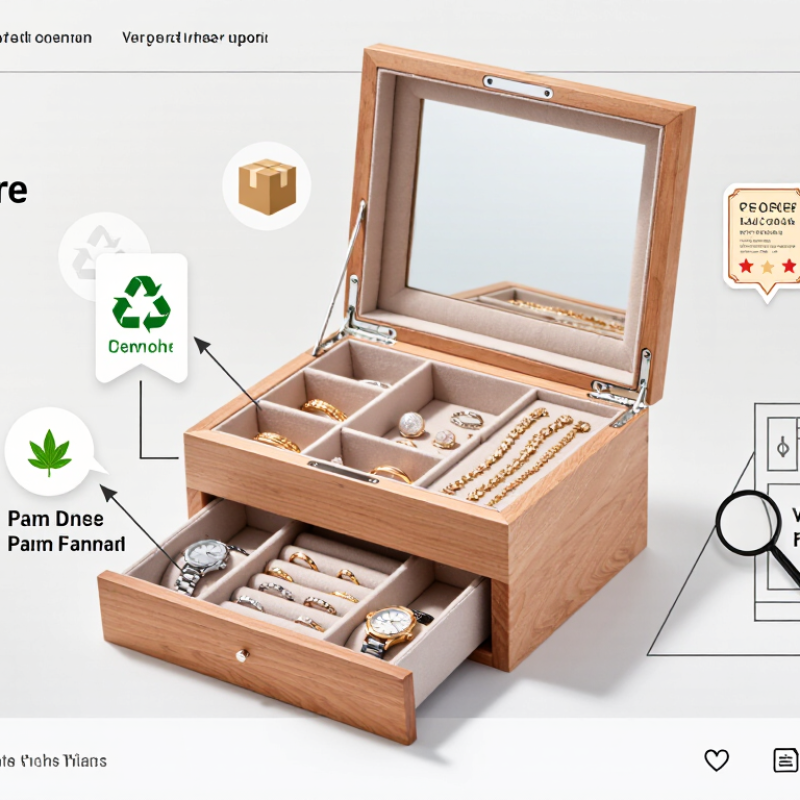
The best jewelry box for global buyers in 2026 must protect valuables and travel well. A rigid outer shell resists pressure in crowded luggage. Soft, non-abrasive lining prevents scratches on gold, silver, and polished stones. The interior should separate rings, necklaces, earrings, and watches. A Watch Box Jewelry Box can combine watch cushions with removable jewelry trays. That flexibility matters for changing collections.
Reliable construction also defines quality. Buyers should check hinge strength, stitching, drawer alignment, and odor from adhesives. Recycled or responsibly sourced materials improve credibility, but vague claims deserve questions. Packaging should reduce movement during shipping and protect corners from impact. Clear dimensions, product photos, and material details support informed international purchasing. Small details build trust.
Tips: Test each compartment with different jewelry sizes before ordering. Check whether the box fits standard luggage or a home drawer. Ask for packing specifications and care instructions. Choose moisture-resistant lining for humid climates. Avoid excessive decoration if it increases weight or shipping damage. No box is perfect. A beautiful finish may still hide weak hinges, and I would inspect those first.
How Jewelry Box Materials Affect Quality, Safety, and Sustainability
What Is the Best Jewelry Box for Global Buyers in 2026?
Material choice shapes a jewelry box’s quality, safety, and environmental impact. From practical product inspections, I check hinges, corners, lining, and surface finish. A strong box should open smoothly without loose screws or sharp edges. Wood offers warmth and strength, but poor finishing can create odors or splinters. Glass looks refined, yet it needs protective packaging and careful handling during shipping.
An Acrylic Jewelry Box is lightweight, clear, and easy to clean. However, low-grade acrylic may scratch quickly or release a strong chemical smell. Buyers should request material specifications and production samples before placing large orders. Recycled acrylic can reduce resource use, but its sustainability depends on verified recycled content. Metal hardware should resist rust, especially in humid storage rooms. No material is perfect. I still question whether appearance sometimes receives more attention than long-term durability.
Tips:
Press gently around joints and inspect the underside. Check whether the lining feels secure and does not shed fibers. Ask for packaging drop-test information when shipping internationally. Choose water-based finishes when available. Avoid boxes with sharp magnets, unstable lids, or unexplained odors. A smaller, durable box may create less waste than a larger decorative one. Think beyond the first impression.
Which Jewelry Box Designs Suit Different Types of Jewelry?
A jewelry box should match the jewelry, not only the customer’s décor. Grand View Research projects the global jewelry market to grow at about 4.6% annually through 2030. That growth brings wider product variety and more storage requirements.
For rings and small earrings, use shallow trays with soft dividers. Narrow slots prevent pieces from rubbing together. Necklaces need vertical hooks and a lower compartment for pendants. Otherwise, chains become a frustrating knot.
Bracelets fit best in removable cushions or long, open channels. These designs reduce pressure on clasps and make inventory checks faster. For watches, deeper sections and firm pillows protect the case edges.
A transparent acrylic lid helps sellers display detail without repeated handling. Acrylic Jewelry Box Wholesale options can suit retailers needing consistent sizes across several collections.
Fine jewelry requires more than attractive presentation. The Gemological Institute of America advises separating harder gemstones from softer materials because contact can cause scratches.
Choose lint-resistant lining, smooth hinges, and stable inserts. The Sustainable Packaging Coalition reports that material reduction and recyclability remain major packaging priorities, but acrylic is not automatically a sustainable choice. Its clarity and durability are useful, yet its environmental profile needs careful review.
This rule is useful, but not perfect. In practice, oversized boxes waste space, while tight compartments damage packaging quality. Test each design with real jewelry before ordering large quantities.
How to Compare Jewelry Box Features for International Use
For global buyers, comparing jewelry box features requires more than judging appearance. Start with interior protection. Look for soft, non-abrasive lining, firm ring rolls, and separated compartments. These details reduce scratches and tangled chains during shipping. An Antique Jewelry Box may look beautiful, but aged hinges and brittle lining need careful inspection. Beauty can hide maintenance costs.
Size matters across international use. Measure necklaces, watches, bracelets, and earrings before choosing a layout. A compact box suits frequent travelers, while a larger organizer needs stronger packaging. Check the exterior dimensions, not only the storage capacity. I once selected a box by its photographs and underestimated its depth. It did not fit the intended drawer.
Material choice also affects reliability. Wood offers warmth, but humidity may cause swelling or surface changes. Coated metal can provide strength, while lightweight fabric reduces shipping weight. Ask about protective corners, secure closures, and odor from adhesives or finishes. Clear product instructions should explain cleaning and assembly in simple language. Photos of hinges, drawer gaps, and interior stitching are useful evidence. Still, photographs can flatter poor construction. Request measurements and close-up details before purchasing. A removable tray helps inspection and cleaning. Small features matter. For overseas delivery, evaluate recyclable cushioning, carton strength, tracking options, and support response time. These practical details often reveal more than decorative design.
What Is the Best Jewelry Box for Global Buyers in 2026?
How to compare jewelry box features for international use
This practical 0–10 benchmark prioritizes features that matter for international shipping, travel, storage, and gifting. Protection, compactness, humidity resistance, and compartment organization receive the highest scores because they help reduce damage, shipping volume, and storage risk across different markets.
What Size, Storage Capacity, and Organization Should Buyers Choose?
Choosing the best jewelry box in 2026 starts with realistic measurements, not appearance. Measure the items you own before comparing storage capacity. A box should fit daily pieces without wasted space.
For a small collection, a compact case around 20 by 15 centimeters may hold earrings, rings, and several chains. Buyers with watches, bracelets, or statement pieces need deeper compartments. A height of 8 to 12 centimeters usually prevents bulky items from pressing against the lid. Check the interior dimensions carefully. Exterior size can be misleading.
Capacity is not simply the number of compartments.
Narrow sections suit rings and small studs, while wider drawers protect bracelets and larger pendants. Removable dividers create flexibility as a collection changes. However, too many sections can make access slow. I still find that buyers often choose more compartments than they actually use. That choice deserves a second look.
Organization should also match daily habits. Frequent-use pieces belong near the top or inside an open tray. Delicate chains need separate spaces, ideally with small hooks or smooth-lined slots. A mirror is useful, but it should not replace storage. For international buyers, confirm measurements in both centimeters and inches, and check the packed dimensions for shipping. Leave some empty space. Jewelry boxes become frustrating when every compartment is already full.
How to Evaluate Suppliers, Prices, Customization, and Certifications
For global buyers, a jewelry box supplier should be judged beyond the sample’s appearance. Grand View Research estimates the global luxury packaging market will continue growing through 2030, increasing pressure on suppliers to prove quality and sustainability. Request factory registration, production photos, recent inspection records, and references from similar export projects. ISO 9001 supports process control, but it does not guarantee a beautiful box. Check both.
Price needs a clear structure. Compare material, foam density, printing, tooling, packaging, shipping, and import duties separately. A low quotation may hide weak hinges or high replacement rates. Ask for a landed-cost estimate and a written sample approval process. Customization should cover dimensions, logo placement, fabric color, inserts, and protective packaging. Keep one approved sample for future comparison. Small details matter.
Certifications require careful checking. For paper or wood components, FSC documentation can support responsible sourcing. For coatings, adhesives, and synthetic fabrics, request relevant REACH or restricted-substance test reports. ISO 14001 may indicate an environmental management system, but it does not prove every component is sustainable. The International Trade Centre reports that small businesses often face limited access to reliable standards information, so independent verification is useful. Do not trust certificates without scope, expiry date, and issuing-body details. I would also test odor, abrasion, color transfer, and drop resistance. One weakness remains: laboratory data cannot fully predict years of customer handling.
What Global Shipping and Packaging Standards Should Buyers Check?
For global jewelry buyers, the box is part of the delivery system, not merely decoration. Check packaging before comparing colors or velvet finishes. The Pitney Bowes Parcel Shipping Index reported 161.8 billion parcels worldwide in 2022. Jewelry packaging must survive repeated sorting, vibration, compression, and occasional drops.
Ask suppliers whether the complete package has passed ISTA 3A or an equivalent distribution test. The inner tray should immobilize rings, chains, and earrings without creating pressure marks. A moisture-resistant pouch, cushioning layer, and rigid outer carton add practical protection. ISO 780 handling symbols can improve communication, but symbols cannot replace strong construction. Measure the packed box, not only the empty jewelry case. Dimensional weight may raise freight costs unexpectedly. Small details matter.
Shipping documents also deserve review. Buyers should confirm accurate product descriptions, declared values, country-of-origin information, and consistent carton dimensions. Requirements vary by destination, so local customs guidance remains essential. DHL’s 2024 E-Commerce Trends Report found that roughly seven in ten online shoppers consider sustainability important. Therefore, request recyclable paperboard, limited plastic, and right-sized cartons. Avoid vague claims such as “eco-friendly” without material details or test evidence. A perfect package does not exist. In sourcing checks, I still find attractive boxes with weak hinges or excessive filler. That weakness is easy to miss in photographs. Request a sealed sample, inspect every edge, and record its packed weight before placing a larger order.
Conclusion
Choosing the best Jewelry Box for global buyers in 2026 requires balancing quality, functionality, sustainability, and international practicality. The ideal option should use durable, safe, and responsibly sourced materials while offering designs suited to different jewelry types, including rings, necklaces, earrings, bracelets, and watches. Buyers should compare protective features such as soft linings, secure closures, anti-tarnish protection, compartments, removable trays, and travel-friendly structures. Size and organization are equally important, as the box should provide enough capacity without becoming difficult to store or transport.
International buyers should also evaluate suppliers based on manufacturing consistency, transparent pricing, customization capabilities, quality control, and relevant certifications. Custom colors, logos, layouts, and packaging may help meet different market needs, but they should not compromise product safety or durability. Before placing an order, buyers should review shipping protection, moisture resistance, carton strength, labeling, and packaging standards to reduce damage during long-distance transportation. A well-selected Jewelry Box combines attractive design, reliable protection, efficient organization, responsible production, and dependable global delivery.
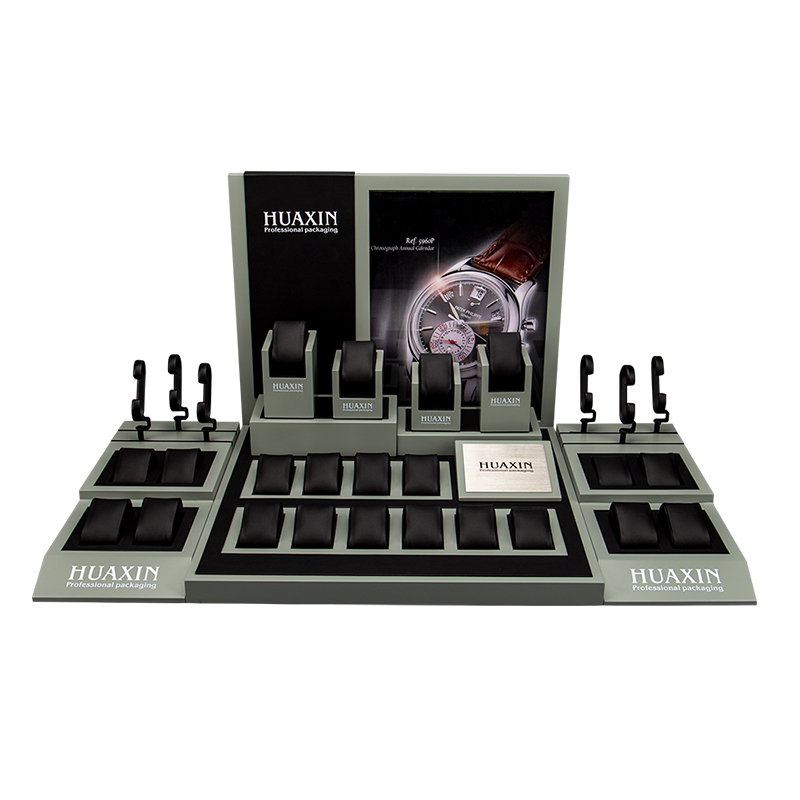 Watch Displays
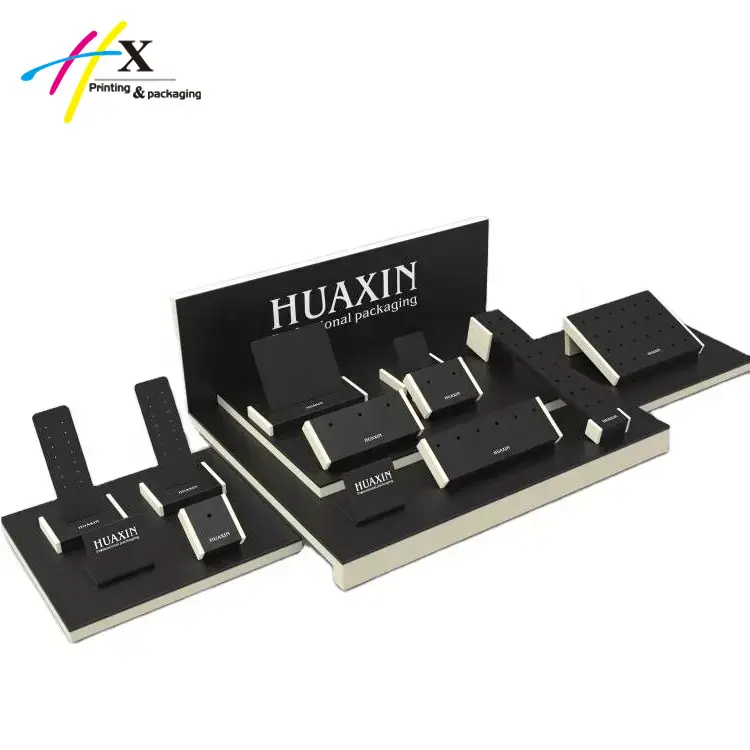 Jewelry Displays
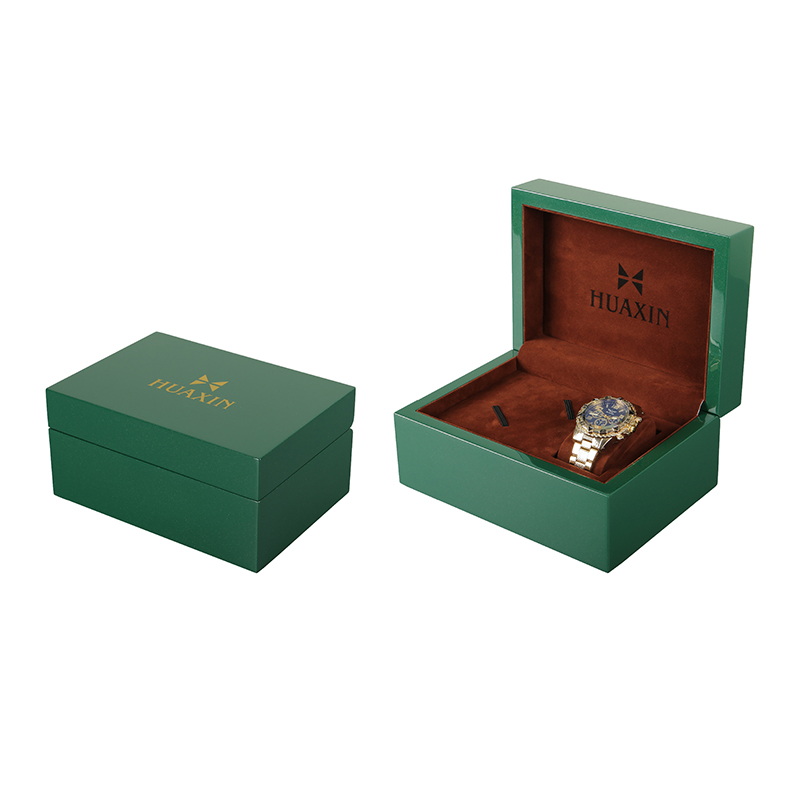 Watch Boxes
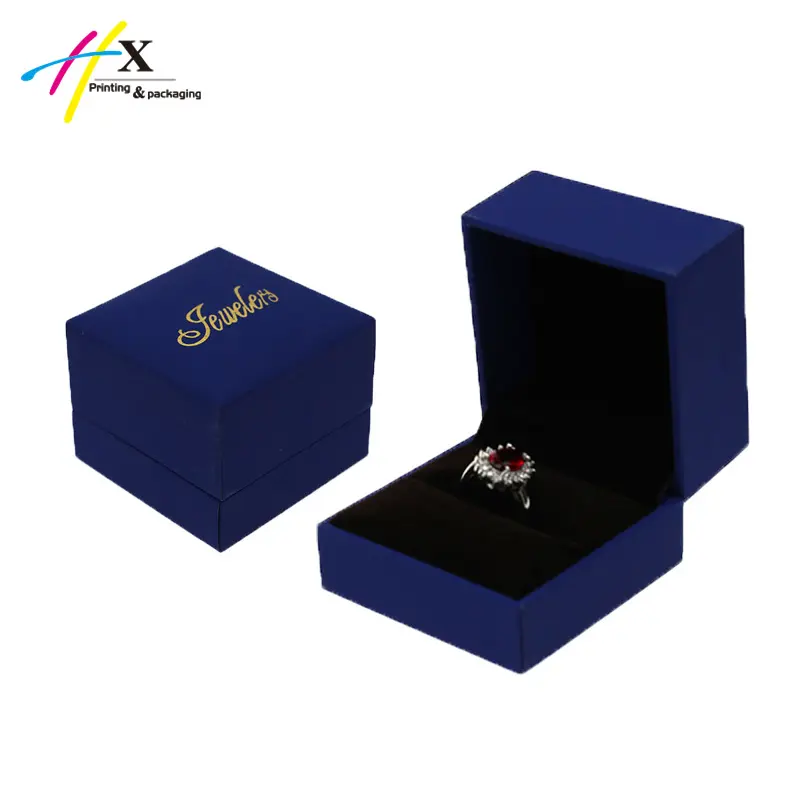 Jewelry Boxes
 Perfume Boxes
 Paper Boxes
 Paper Bags
 Design Lab
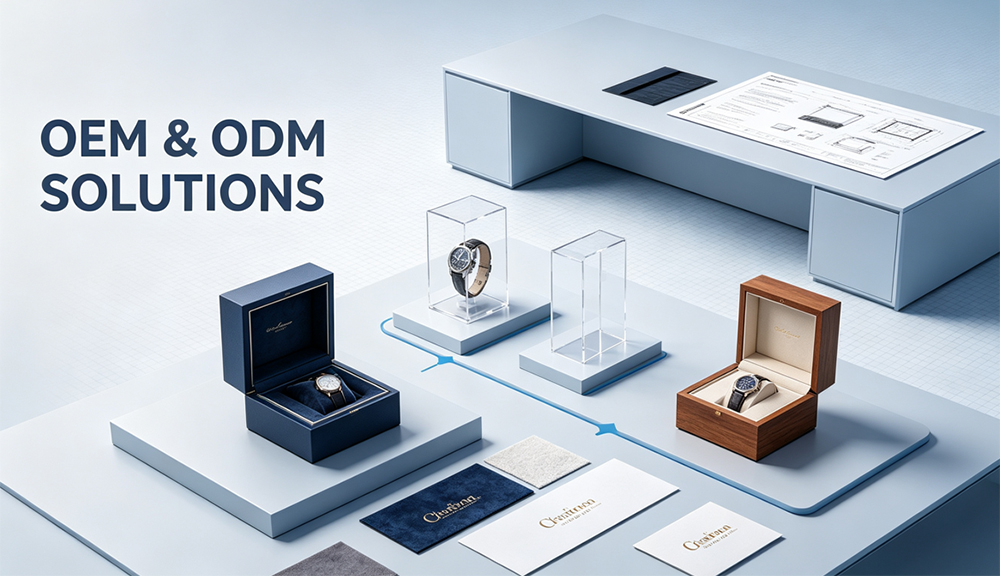 OEM&ODM Solution
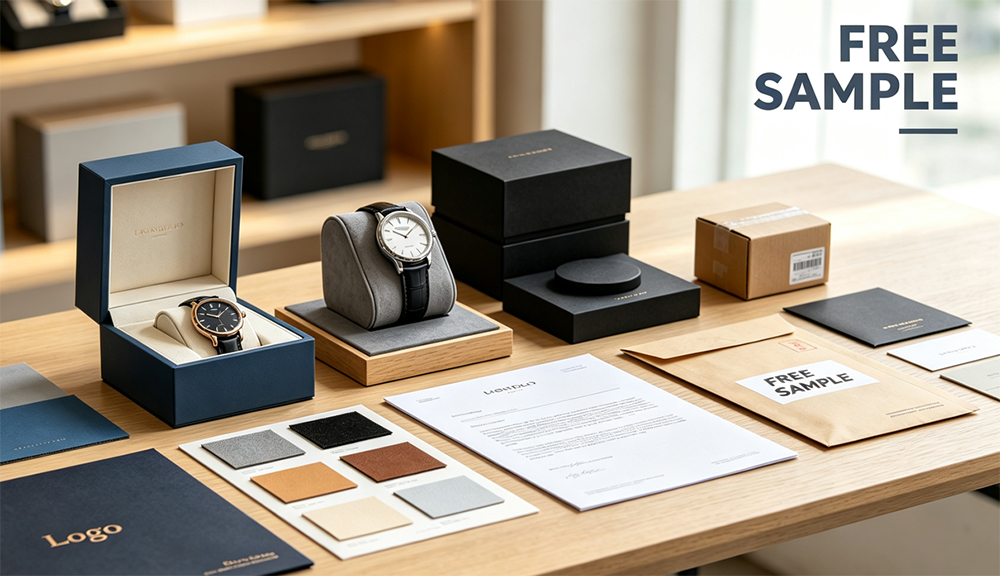 Free Sample
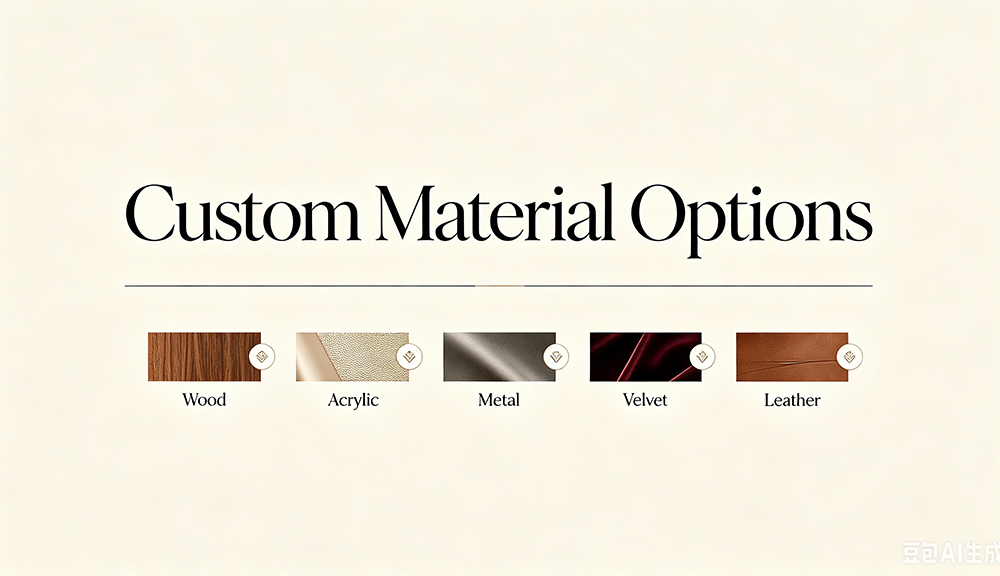 Custom Option
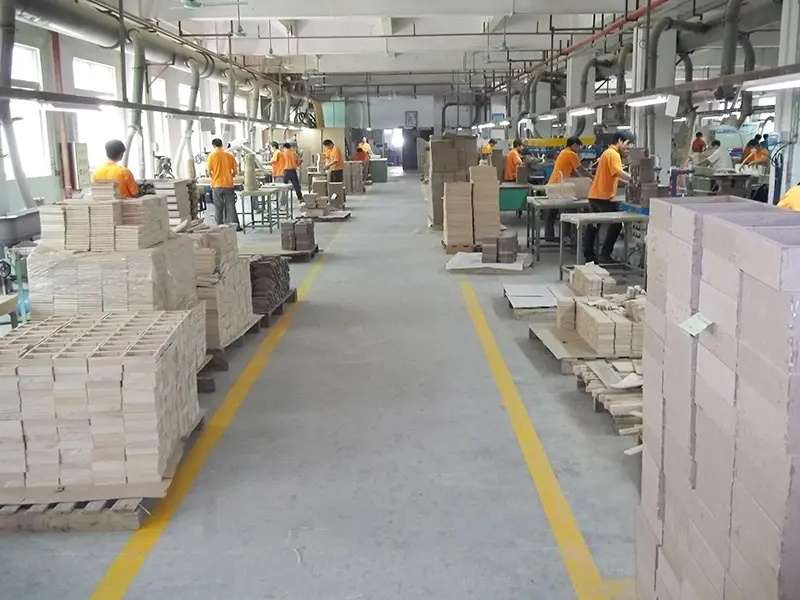 Factory Tour
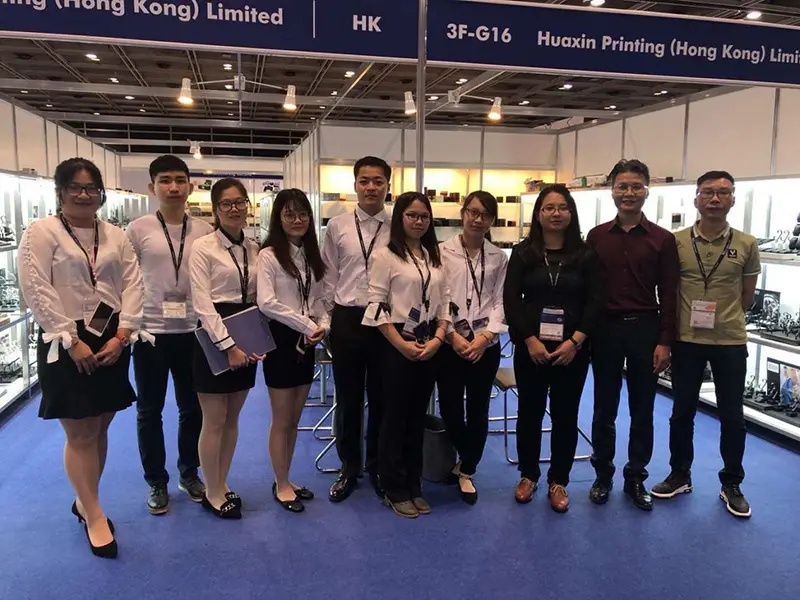 Our Team
 Our Story
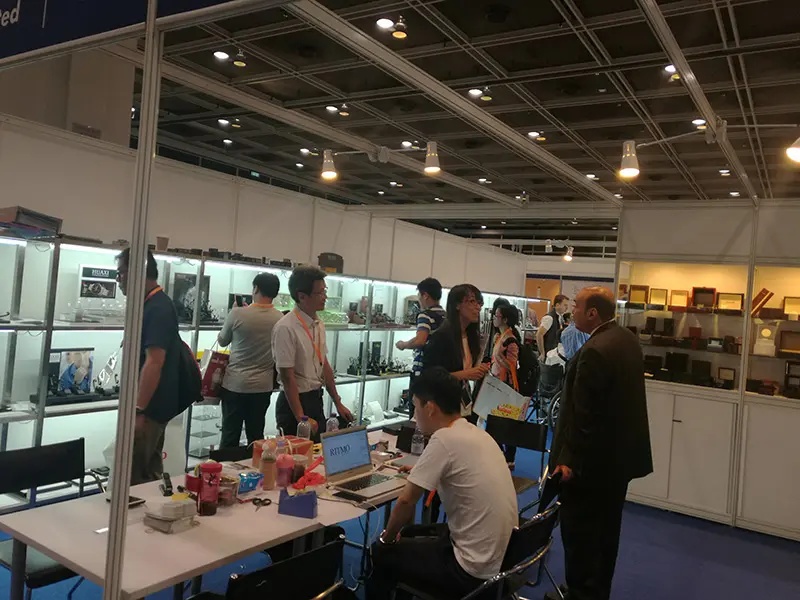 Exhibitor Plan
 Case Study
 Video
 News